










Added to Cart
Nicotine has an average half-life of about 2 hours: its blood concentration falls by roughly half over that period. Researchers use this timing to measure nicotine clearance, plan blood sampling and study treatment response. Cotinine, a breakdown product with a half-life of about 16 hours, gives them a longer window for measuring nicotine exposure.[1]
How Quickly Nicotine Levels Fall
Using a 2-hour half-life, a starting blood concentration of 20 ng/mL would fall to approximately 10 ng/mL after 2 hours and 5 ng/mL after 4 hours.
| Time elapsed | Estimated concentration | Percentage remaining |
|---|---|---|
| Starting point | 20 ng/mL | 100% |
| 2 hours | 10 ng/mL | 50% |
| 4 hours | 5 ng/mL | 25% |
| 6 hours | 2.5 ng/mL | 12.5% |
| 8 hours | 1.25 ng/mL | 6.25% |
These are calculated examples, not patient results. They assume no further nicotine intake and a constant elimination rate. Repeated smoking or vaping adds new nicotine; patches release it over time. Nicotine also moves between blood and body tissues, so an actual concentration curve is more complex.[2]
Why Researchers Measure Cotinine
Nicotine reflects recent intake but falls quickly. Cotinine remains measurable longer. Its half-life averages about 16 hours, although reported individual values range from roughly 8 to more than 30 hours. Researchers can measure it in blood, saliva or urine.[3]
This difference affects sample timing. A blood sample taken several hours after smoking may miss the nicotine peak, while cotinine can still indicate recent exposure. However, two people with the same cotinine result may have different nicotine intakes because they produce and clear cotinine at different rates.[4]
What Half-Life Tells Researchers
How Fast Someone Clears Nicotine
The liver enzyme CYP2A6 plays a major role in nicotine metabolism. Genetic differences, hormones, pregnancy, some medicines and kidney disease can affect how the body handles nicotine. A 2-hour average cannot predict one person’s exact clearance time.[5]
Researchers often use the nicotine metabolite ratio, or NMR: trans-3′-hydroxycotinine divided by cotinine. A higher ratio generally indicates faster nicotine metabolism. The result depends on the sample and measurement method; a blood-based threshold should not automatically be applied to a urine test.[6]
Whether Treatment Response Differs
A randomized trial involving 1,246 smokers compared nicotine patches, varenicline and placebo. At the end of treatment, quit rates among normal metabolizers were 38.5% with varenicline and 22.5% with patches. Among slow metabolizers, the rates were 30.4% and 27.7%, respectively; that treatment difference was not statistically significant.[7]
The trial used an NMR threshold of 0.31 to separate slow from normal metabolizers. That was a study classification, not a universal diagnostic line or a rule for choosing a patch dose. Readers should not use it to select or adjust medication themselves.[8]
How Much Nicotine a Product Delivers
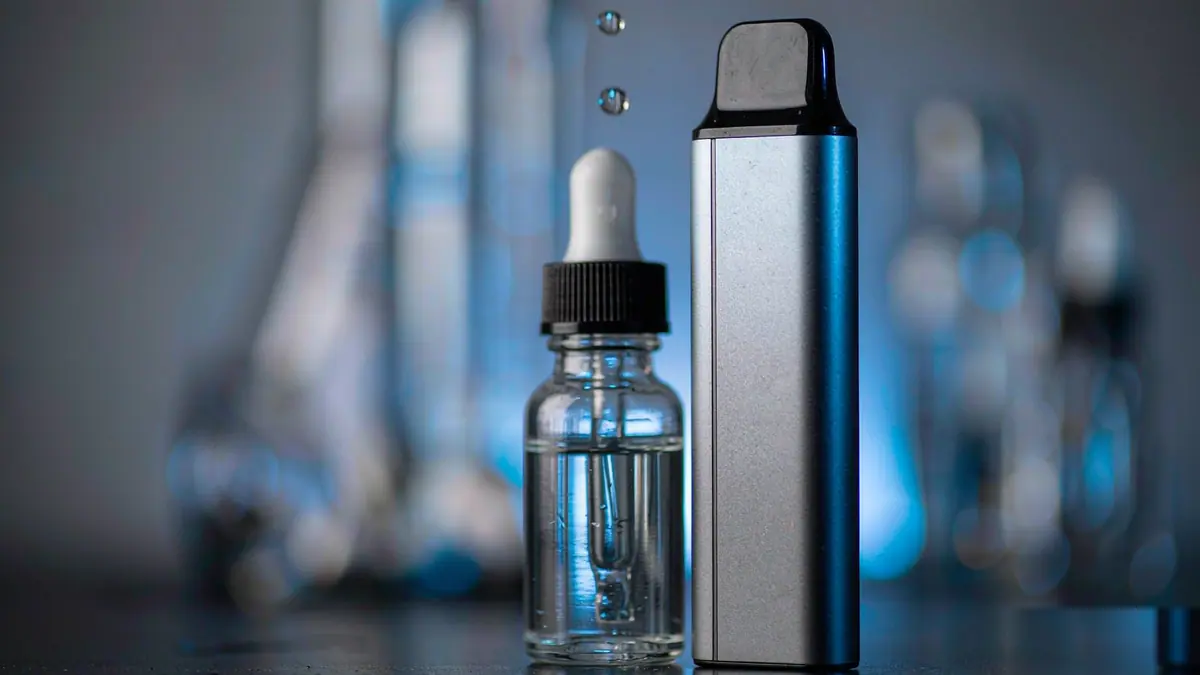
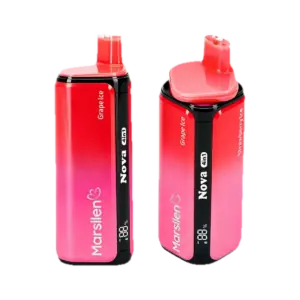
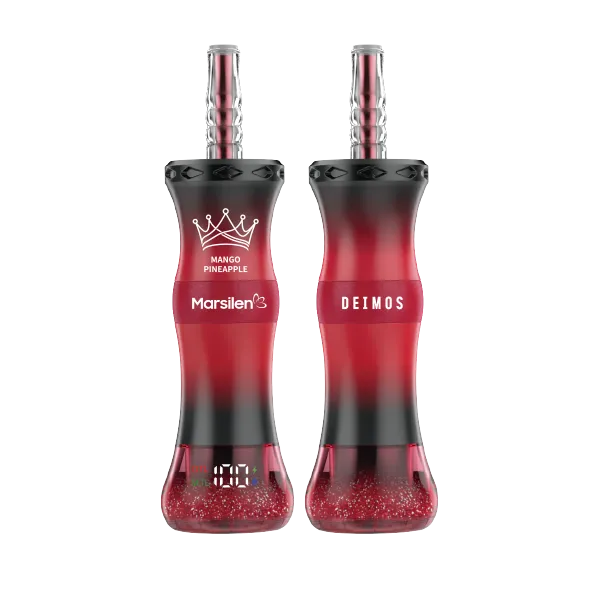
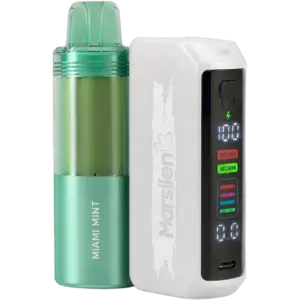
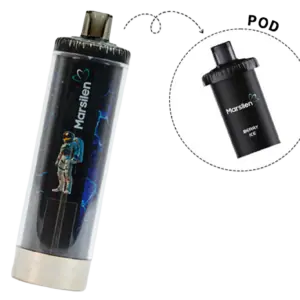
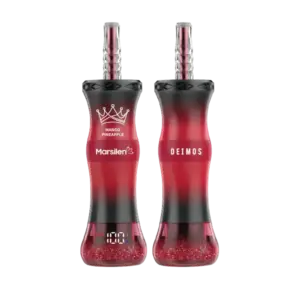
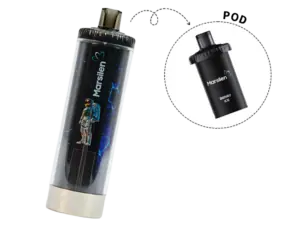
Product labels describe the device or liquid, not the dose absorbed into a person’s bloodstream. For example, the NOVA 4in1 has four selectable flavor positions, while Deimos lists DTL and MTL operation. Neither specification establishes blood nicotine levels or a user’s half-life.
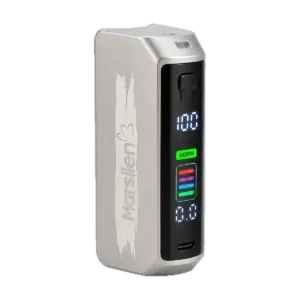
The same distinction applies to liquid capacity. Marsilen lists 15 mL for Phobos Pro and 18 mL for Phobos Pro+. Those figures describe stored liquid, not the amount inhaled in a session. Research on vaping shows that nicotine delivery also depends on the device, liquid and puffing behavior.[9]
How to Read a Nicotine Test
A cotinine result needs three details: the sample type, the laboratory’s cutoff and the person’s recent nicotine use. Researchers have used blood or saliva cutoffs around 3–10 ng/mL and higher urine cutoffs, but these are not interchangeable or universal.[10]
- Record every nicotine source. Cigarettes, nicotine-containing vapes, pouches, patches and gum can all affect the result.
- Record the last use and sample time. “Yesterday” is less useful than a dated time, especially when comparing samples.
- Check the units and cutoff. A positive urine result cannot be compared directly with a blood result using a different threshold.
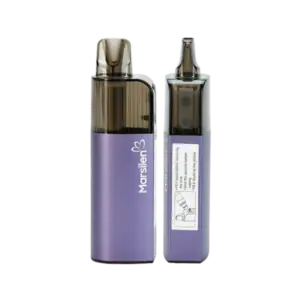
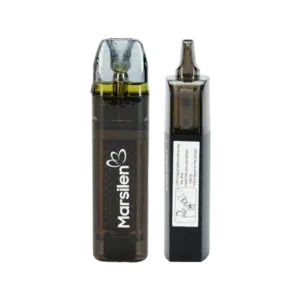
For a device record, distinguish the Phobos Pro Kit from the separate Phobos Pro/Pro+ battery. A kit name or battery specification does not identify the nicotine concentration of the liquid used.
What the Numbers Cannot Prove
A positive cotinine test does not prove cigarette smoking. Nicotine replacement therapy and nicotine-containing vapes can also produce positive results. Researchers may combine cotinine with exhaled carbon monoxide or other biomarkers to help distinguish nicotine exposure from combustible tobacco use.[11]
There is no guaranteed day when everyone tests negative. Expert guidance considers allowing 6–7 days when using cotinine to assess smoking abstinence, because clearance varies substantially. That is a research allowance, not a promise of a negative result, particularly if nicotine use continues from another source.[12]
Half-life also cannot measure the overall harm of a product. A falling nicotine concentration says nothing directly about exposure to carbon monoxide, tobacco-specific carcinogens or other toxic substances. Those questions require separate measurements.[13]