DE
DE  EN
EN  ES
ES 














Zum Warenkorb hinzugefügt
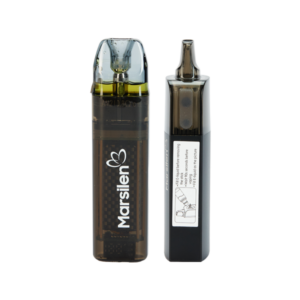
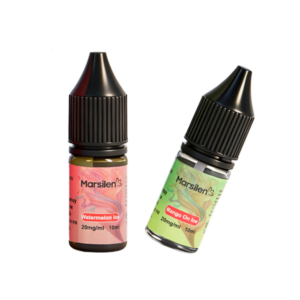
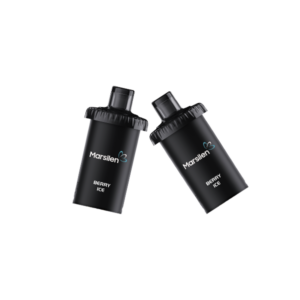
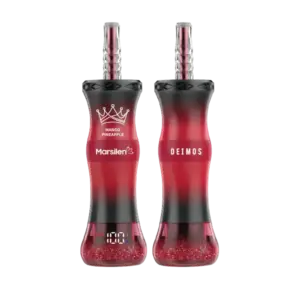
The simplest explanation for those who are interested in the hype surrounding flavored e-cigarettes is that they are e-cigarettes that use e-liquid that has different taste profiles than menthol or regular tobacco. From a specialized product to a major player in the vaping industry, this trend has really taken off. They appeal to people for a number of reasons, such as a desire to avoid the flavor of traditional cigarettes or a perceived “better” taste experience. There isn’t a single, straightforward explanation for the enormous rise in popularity of flavored vapes.
It’s a combination of various elements that appeal to various user groups. Variety’s allure. Consider this: if you consistently eat the same meal, you will eventually develop a craving for something different.
For some, vaping can be similar. Breaking Monotony: A variety of flavors keeps the experience interesting & novel for long-term vapers or those switching from traditional cigarettes. You can experiment with fruit, dessert, or even beverage-inspired alternatives to just tobacco or menthol. Customized Experience: A highly customized vaping experience is made possible by flavors.
A tart lemon-lime may appeal to one person while a sweet strawberry may appeal to another. This personalization is very appealing. An alternative sensory experience. Compared to conventional cigarettes or even unflavored e-liquids, flavored vapes frequently provide a distinct sensory experience that goes beyond taste. Enhanced Aroma: The vapor itself frequently has a pleasant scent that some users find more enticing than the tobacco smoke odor. Also, this may make them less obtrusive to others.
Check out the amazing premium e cigarettes in this surprise box set at premium e cigarettes!
Pleasant Aftertaste: In stark contrast to the lingering taste of traditional cigarettes, many flavored e-liquids are intended to leave a pleasant aftertaste. Reducing perceived harm. Although this opinion is not shared by everyone, a sizable portion of flavored vape users believe they are a less dangerous option than traditional smoking, and the pleasant taste profile facilitates this transition. Gateway to Quitting: For many people, switching from combustible tobacco to flavored e-cigarettes is a first step toward quitting.
| Flavor | Popularity | Sales |
|---|---|---|
| Mint | High | Increasing |
| Fruit | Medium | Stable |
| Coffee | Low | Decreasing |
The tasty flavors may lessen the severity of the withdrawal process and make it more palatable. Decreased Exposure to Dangerous Compounds: Although vaping carries some risks, many users think that switching to e-cigarettes will lessen their exposure to the numerous dangerous chemicals present in cigarette smoke. They are more likely to stick with this option because it tastes good. Beyond the initial basic offerings, the journey of e-liquid flavors has been quite the adventure.
What began as straightforward tobacco imitations has developed into a sophisticated and varied world. Early Days: Copying the Known. When e-cigarettes were first introduced to the market, the main goal was to assist smokers in making the switch.
Dominance of Tobacco & Menthol: At first, tobacco & menthol flavors were crucial. The intention was to make the transition less disruptive by giving regular cigarette users a familiar experience. These were viewed as “safe” choices that wouldn’t turn off potential customers. Simple Sweeteners: There were a few early attempts at fruit flavors, but they were frequently very simple and occasionally tasted artificial.
Think of a simple, uncomplicated apple or cherry. The Innovation Boom. Flavor creation became more sophisticated as the vaping industry developed and technology advanced.
Fruity Fantasies: Just this category has grown to be very varied. Complex blends like “strawberry watermelon kiwi” or “mango peach ice” are more common than simple “strawberry” these days. In the e-liquid industry, mixologists are always experimenting. Dessert Decadence: Dessert vapes satisfy sweet tooths with everything from rich custards and creamy cheesecakes to nostalgic cereal flavors and rich chocolate cakes. These flavors are frequently intricate & multi-layered, intended to evoke particular culinary experiences.
Beverage Blends: Coffee, soda, energy drinks, & even flavors inspired by cocktails have been incorporated into e-liquids. These provide an additional level of flavor exploration. Exotic and Unusual Combinations: There are genuinely unusual and experimental flavors that exist outside of the mainstream. Consider spiced blends, floral notes like lavender or rose, or even savory profiles (though these are less common).
The creativity appears to be endless. Health organizations and governments have taken notice of the explosive growth of flavored e-cigarettes, which has sparked a frequently contentious discussion about their proper place in society. Youth vaping and health concerns. The potential appeal of flavors to younger demographics is at the heart of much of the debate.
“Kid-Friendly” Flavors: According to critics, flavors like “gummy bear,” “cotton candy,” or “bubblegum” are essentially made to appeal to kids and teenagers and may serve as a gateway to nicotine addiction.
This is the main motivation behind a lot of proposed flavor prohibitions. Risks of Nicotine Addiction: The main worry is that these appealing flavors cover up the harshness of nicotine, which makes it simpler for young people to start vaping and eventually develop an addiction. Vaping’s long-term health effects are still being investigated, which adds to the caution, particularly in developing adolescents.
Misinformation and Perception: The public’s perception of science is also a problem. Due to the tasty flavors and absence of traditional smoke, many people—especially younger people—might mistakenly think that vaping is safe. The Drive for Flavor Limitations and Bans. Governments around the world are regulating flavored e-cigarettes in a variety of ways. Total Flavor Bans: In certain areas and nations, all non-tobacco and non-menthol flavors in e-liquids are strictly prohibited.
The claim made here is that the potential benefits to adult smokers who use flavors to quit are outweighed by the public health benefits of lowering youth vaping. Retailer Restrictions: Other strategies include limiting the sale of flavored products to vape shops exclusively for adults, away from general retail establishments where children may have easier access. This is done in an effort to protect younger eyes. Age Verification Enforcement: Although it is frequently difficult to execute flawlessly, particularly online, stricter enforcement of age verification for both online and in-store sales is another popular measure.
Open versus. Closed Systems: Certain regulations distinguish between “open” pod systems, which allow users to refill with any e-liquid, and “closed” pod systems, which are limited to using pre-filled pods from the manufacturer. The latter could enable more centralized management of flavor selections. The Adult Vaper Perspectives and Rebuttals.
Many adult vapers & proponents of harm reduction contend that flavor bans may have unforeseen negative effects, despite the fact that youth vaping is a serious concern. Adult Smokers’ Needs: Flavors play a critical role in the success of many adults trying to give up combustible cigarettes. It is argued that eliminating tasty flavors could encourage people to resume traditional smoking.
Unintentional Black Markets: Prohibition frequently creates illegal markets, as history has demonstrated. There are worries that a black market with unregulated & possibly more hazardous products could develop if legal flavored e-liquids become unavailable. Diminished Effectiveness of Quitting Aid: The e-cigarette’s function as a harm reduction tool may be compromised if flavors are necessary for an adult to abstain from smoking.
It’s a delicate balance between giving adults choices and safeguarding children. It takes some science and careful formulation to create e-liquid flavors that are both safe and appealing. E-Liquid Parts. Gaining an understanding of how flavors are delivered requires an understanding of the fundamental building blocks. Vegetable Glycerin (VG) is a non-toxic, thick, and slightly sweet liquid. The majority of the visible vapor production is caused by it.
Larger clouds are typically associated with higher VG content. Propylene Glycol (PG): A thinner liquid, PG is a great flavor carrier and helps give ex-smokers the “throat hit” they want. More flavor and a more potent throat hit are provided by higher PG. Flavorings are concentrated food ingredients that have been carefully selected & refined to make them safe for inhalation. Here’s where the magic happens: a variety of flavor compounds are combined to simulate anything from fruit to dessert.
Nicotine (Optional): The addictive ingredient that initially attracts many smokers to e-cigarettes, nicotine comes in a variety of strengths. It can be either nicotine salts, which permit higher concentrations with less harshness, or freebase nicotine, the conventional form. Chemistry and Safety of Flavors.
It takes more than just filling a bottle with juice to create e-liquid flavors. Food-Grade vs. Inhalation-Safe: An ingredient’s “food-grade” status does not guarantee that it is safe to breathe in. Flavor compounds that are safe for aerosolization and those that could be dangerous are constantly being investigated by researchers and manufacturers.
For example, the buttery flavoring agent diacetyl was found to be problematic because of its link to “popcorn lung” when inhaled in excess. The industry has mostly stopped using it. Quality Control and Testing: Reputable e-liquid producers make significant investments in stringent testing to guarantee that their goods are free of dangerous impurities & that the ingredients are sourced correctly. Testing for heavy metals, certain dangerous substances, and stable nicotine levels are all included in this.
Consistency in Flavor Delivery: Over time and across various vaping devices, an e-liquid’s chemical makeup must be stable and provide a consistent flavor experience. This calls for exact manufacturing and formulation procedures. The flavored e-cigarette market is constantly evolving and changing. Although it’s difficult to predict the future, we can spot some likely trends.
Regulation is still being scrutinized. It’s safe to assume that governments and public health organizations will continue to closely monitor flavored vapes. Changing Regulations: It’s probable that current regulations will be further improved, possibly incorporating more subtle strategies than outright prohibitions. This might entail more stringent marketing regulations, particular age-verification tools, or even customized flavor limitations depending on the type of device or nicotine content.
Global Harmonization (or Lack thereof): It is more likely that various nations and regions will continue to adopt disparate regulatory frameworks, resulting in a patchwork of regulations worldwide, even though some international efforts may push for harmonization. It is therefore difficult for both manufacturers and consumers. Emphasis on Health Research: Long-term research on the health effects of vaping, particularly flavored varieties, will constantly influence and modify policy choices. The more information we collect, the better the conversations will be. Flavor and delivery innovation.
Regulatory obstacles notwithstanding, the sector will probably keep innovating. Safer Flavorings: There will probably be more research done on safer flavoring compounds for inhalation, going beyond “food-grade” to “inhalation-grade” ingredients that have undergone extensive aerosol safety testing. Sustainable Practices: As environmental concerns increase, there may be a push for recyclable pods, more ecologically friendly manufacturing techniques, & more sustainable e-liquid packaging. Customization through Technology: Consider gadgets that can mix flavors on their own or even recommend flavors based on user preferences & past selections.
Technology may enable even more customization. Changing consumer tastes. The vaping market will surely react to changes in consumer preferences, which are never static.
Move Towards Complex Blends: In keeping with trends in craft beverages and culinary arts, consumers may be looking for more complex & layered flavor profiles rather than single-note ones. Increased Emphasis on Authenticity: E-liquid producers may aim for flavors that taste more natural and authentic, eschewing excessively artificial profiles. This might entail the use of natural flavor compounds or more complex extractions. Emergence of Novel Nicotine Alternatives: Although flavored e-liquids are currently mostly paired with nicotine, if science and regulations allow, future trends may see them paired with other psychoactive (but non-nicotine) substances.
Though there is always a search for alternatives, this is still very speculative. In the end, there is still much to learn about flavored e-cigarettes. Consumer demand, scientific knowledge, entrepreneurial creativity, and lively public health discussions all interact in a complex way. The way these forces interact will determine how this trend develops in the future.
.
FAQs

What are flavored e-cigarettes?
Flavored e-cigarettes are electronic devices that deliver nicotine and other chemicals in the form of vapor. They come in a variety of flavors, such as fruit, candy, mint, and dessert flavors.
Are flavored e-cigarettes safer than traditional cigarettes?
There is ongoing debate about the safety of flavored e-cigarettes compared to traditional cigarettes. While e-cigarettes may expose users to fewer toxic chemicals than traditional cigarettes, they still pose health risks, especially for young people.
Why are flavored e-cigarettes popular among young people?
Flavored e-cigarettes are popular among young people due to their appealing flavors, which can mask the harsh taste of nicotine. The variety of flavors also makes them more attractive to young users.
What are the concerns about flavored e-cigarettes?
One of the main concerns about flavored e-cigarettes is their appeal to young people, leading to an increase in youth vaping. Additionally, the long-term health effects of inhaling flavored e-cigarette vapor are not yet fully understood.
Are flavored e-cigarettes regulated?
The regulation of flavored e-cigarettes varies by country and region. In some places, there are restrictions on the sale and marketing of flavored e-cigarettes, especially when it comes to targeting young people. However, regulations continue to evolve as more research is conducted on the health effects of flavored e-cigarettes.