












Added to Cart
Some vapes are cheap. Others cost two or three times as much, even when they look pretty similar.
The reason is usually inside the device. Battery size, liquid capacity, coil design, extra chambers, screens, airflow controls and replaceable parts all affect cost. Then there are things you cannot vape at all: packaging, branding, shipping, taxes and retailer margins.
If you are comparing two vapes, start with the numbers. Check battery capacity, liquid capacity, coil system, replaceable parts and ongoing cost. A higher price only makes sense when you can see what you are paying for.
One thing is separate from price: safety. A more expensive vape is not automatically safer. CDC states that no tobacco product, including e-cigarettes, is safe, and most e-cigarettes contain addictive nicotine.[1]
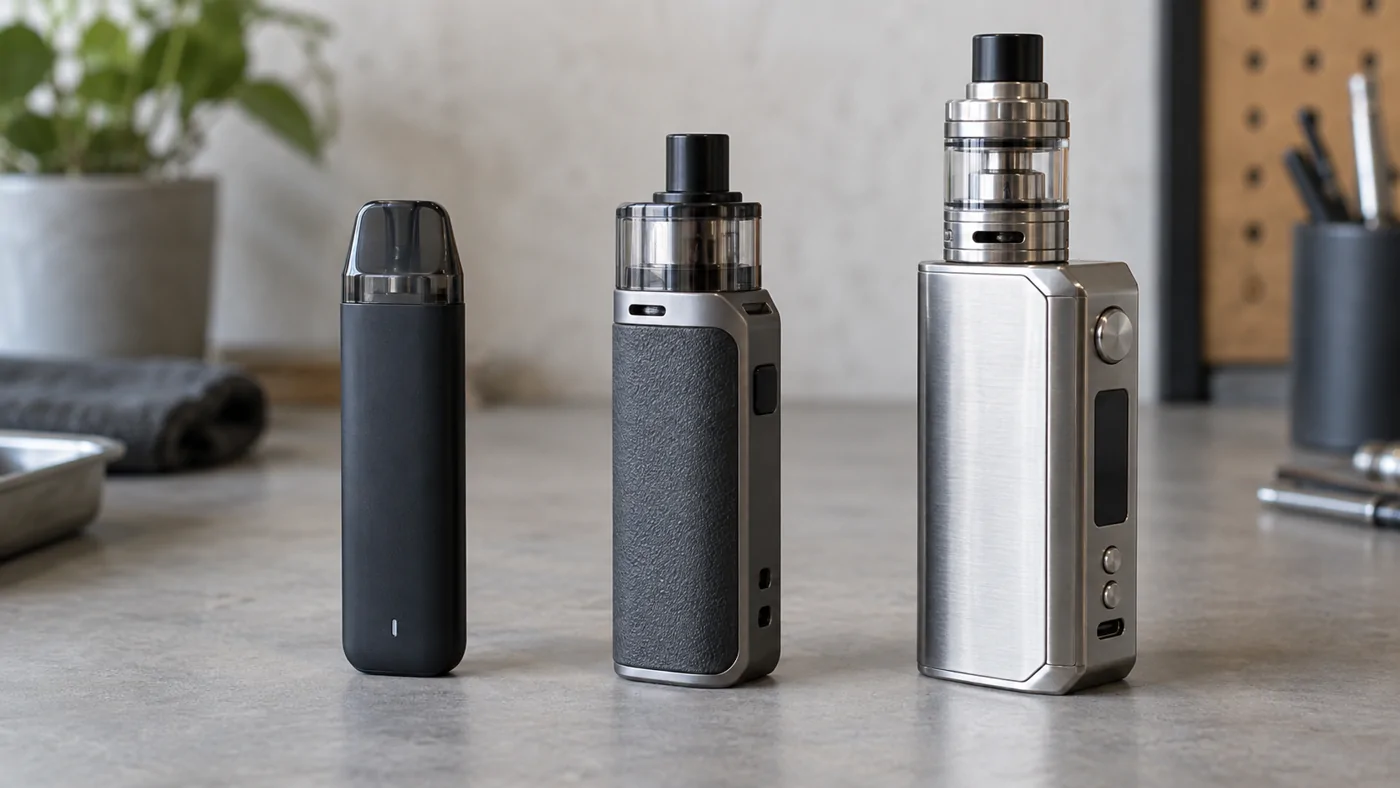
What Actually Changes the Price?
| Factor | What to Check | Why It Costs More |
|---|---|---|
| Battery | mAh, charging method, power demand | Larger cells and extra power-management hardware cost more |
| Liquid system | Capacity, refillability, number of chambers | More reservoirs, seals and internal parts add complexity |
| Coil | Resistance, coil type, replaceability | Different heating systems use different components |
| Controls | Screen, airflow, modes, flavor selector | More electronics and moving parts are needed |
| Construction | Housing, connectors, assembly | Materials and finishing methods differ |
| Package | Pods, coils, cables, accessories | You may simply be getting more parts in the box |
| Supply chain | Market, taxes, import costs, margins | The same device can cost more after it moves through the supply chain |
| Quantity | Single-unit price vs volume price | Larger orders can reduce the unit cost |
One Big Number Does Not Tell You Much
| Model | Battery | Liquid System | Published Puff Figure | Other Hardware |
|---|---|---|---|---|
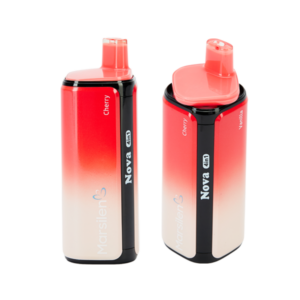
| NOVA 4in1 | 650mAh | 4 × 10mL / 40mL total | Up to 80,000 | 4 selectable flavors, 1.0Ω mesh coil, Type-C |
| NOVA 3in1 | 850mAh | 3 selectable flavor positions | Up to 60,000 | 1.0Ω coil, digital display, Type-C |
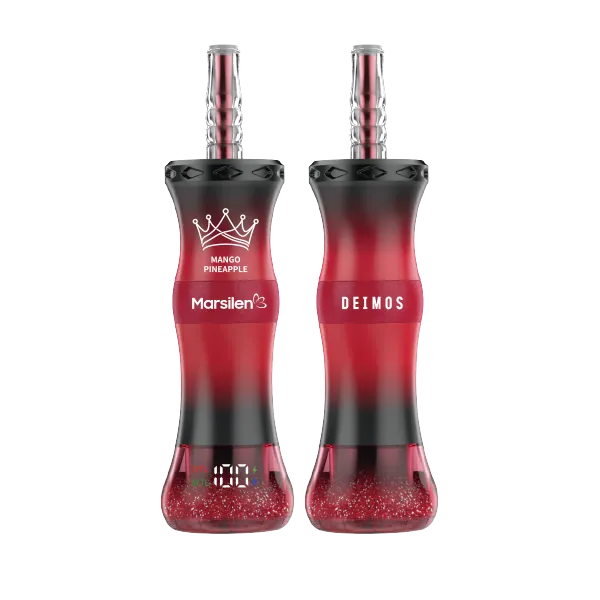
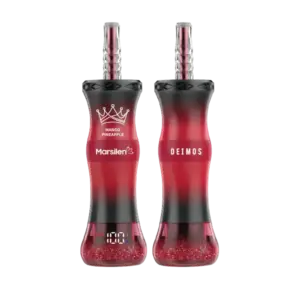
| Deimos | 1200mAh | 60mL published capacity | Up to 200,000 | DTL / MTL operation |
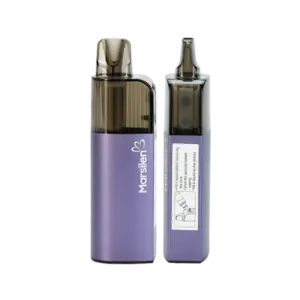
| Mars PRO 30K | 600mAh | 10mL refillable pod | Up to approximately 30,000 across 3 fills | Draw activated, no display |
Look at those four devices and you can see the problem with judging a vape from one spec.
Deimos has a 1200mAh battery. NOVA 4in1 has 650mAh. That does not make Deimos automatically “better.” The devices use different liquid systems, airflow, coil setups and operating formats.
NOVA 4in1 is another good example. It combines a 650mAh battery with four 10mL chambers. NOVA 3in1 has a larger 850mAh battery but a different three-flavor setup. The bigger battery does not tell you which device should cost more.
Understand the device you already own
Use the correct model details when checking charging, compatible parts and common device issues. The Help Center explains where to start.
A Bigger Battery Costs More, but That Is Only Part of the Story
- Mars PRO 30K: 600mAh
- NOVA 4in1: 650mAh
- NOVA 3in1: 850mAh
- Deimos: 1200mAh
On paper, 1200mAh is twice 600mAh. In real use, that does not mean twice the runtime.
A device running a more demanding coil can drain its battery faster. Longer draws use more power too. So do higher-output modes.
This is where people often get caught by spec sheets. The biggest number looks like the obvious winner, but it may not match how the device is actually used.
Battery handling also matters. FDA warns that battery-related vape failures can cause fires or explosions. It recommends using the correct charging equipment, following the manufacturer’s instructions and keeping devices away from extreme temperatures.[2]
Use mAh to compare battery capacity. Do not use it as a shortcut for quality or safety.
More Liquid Does Not Mean the Puff Count Goes Up at the Same Rate
Puff numbers look neat on a box. Real use is messier.
NOVA 4in1 publishes 40mL total capacity and up to 80,000 puffs. NOVA 3in1 publishes up to 60,000 puffs. Deimos publishes 60mL and up to 200,000 puffs.
Those numbers do not follow one fixed “mL equals X puffs” formula.
A short draw and a long draw do not use the same amount of liquid. Airflow, coil design and power also change consumption.
So this calculation:
price ÷ advertised puffs
can give you a rough comparison, but not a precise cost per puff.
Marsilen’s high-puff comparison also presents puff figures as manufacturer-published “up to” numbers rather than guaranteed totals.
Four Flavors Need More Hardware Than One
A single-flavor device has a fairly simple job. Store the liquid, feed it to the coil and move the aerosol through the airflow path.
A multi-flavor device has more going on inside.
The NOVA 4in1 uses four separate 10mL chambers and a rotating selector for four flavor positions.
The NOVA 3in1 uses three selectable positions.
That means more reservoirs, seals, internal liquid paths and selector parts. More pieces usually mean more tooling and more assembly work.
Here, a price difference has a clear hardware reason.
The Coil Can Change What You Pay Later
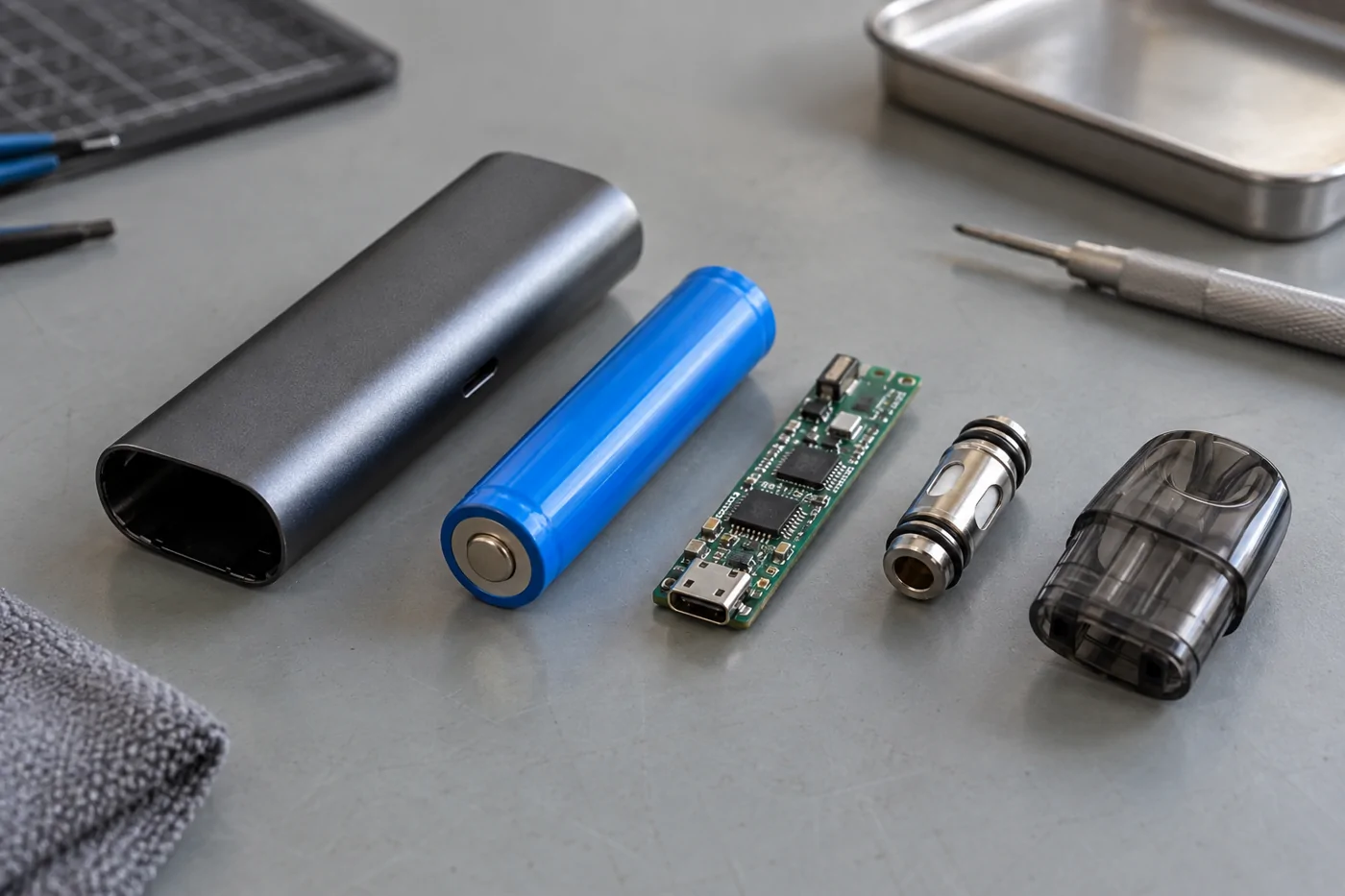
Coil resistance is measured in ohms (Ω). A lower number is not automatically better. Neither is a higher one.
Marsilen lists a 1.0Ω mesh coil for NOVA 4in1 and a 1.0Ω coil specification for NOVA 3in1.
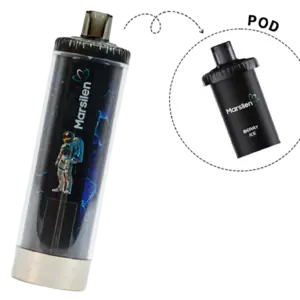
Other vape systems may use replaceable coil heads, ceramic heating elements, lower-resistance coils or coils built permanently into the pod.
- If the coil is built into the pod, you may have to replace the whole pod.
- If the coil can be replaced separately, you can keep using the same pod or tank body.
- If the system uses a proprietary pod, your future cost depends on that exact replacement part.
This is easy to miss when the starter device looks cheap. Check the replacement parts before you buy the main device.
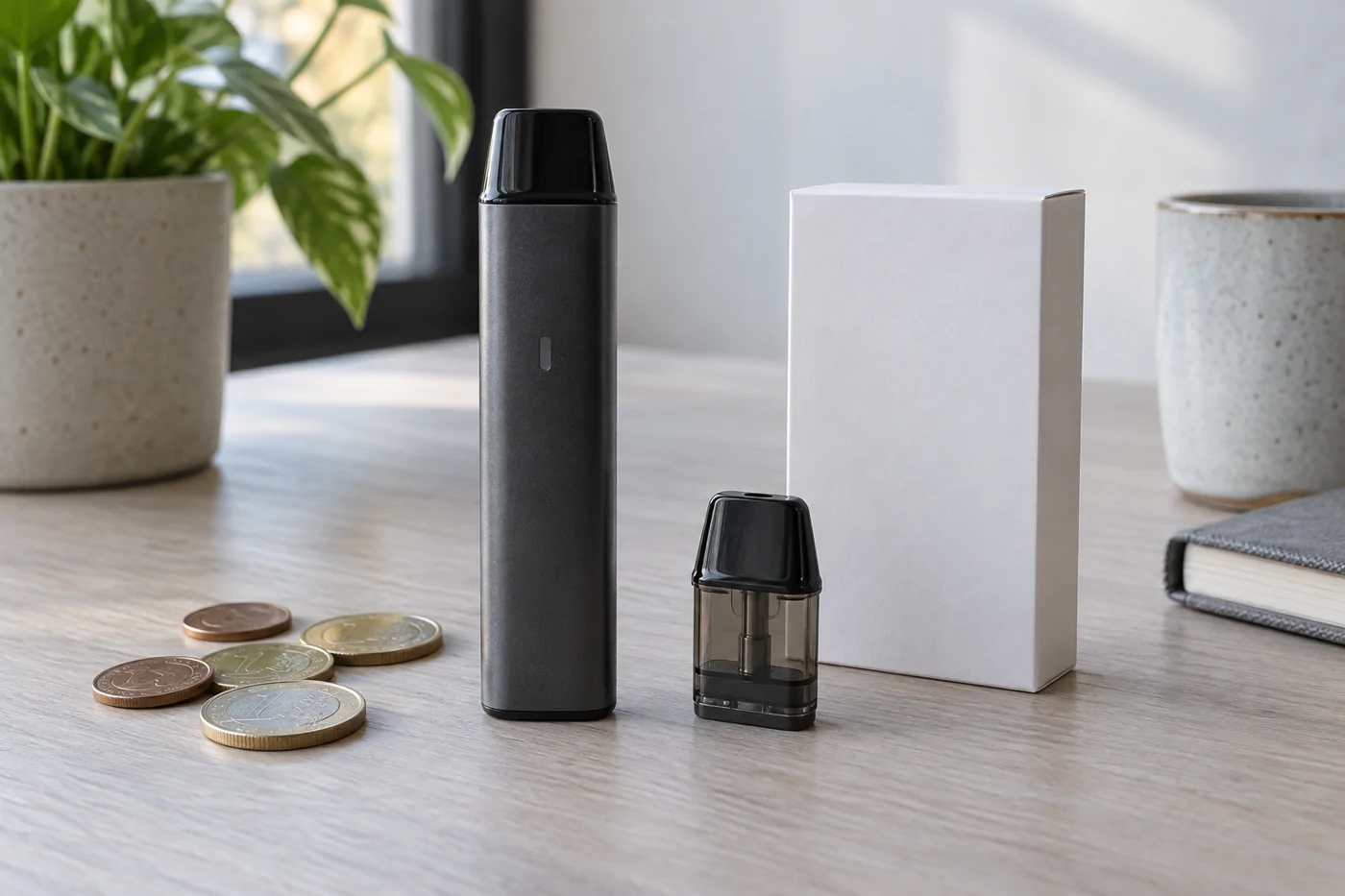
Refillable and Pre-Filled Vapes Should Not Be Compared by Starter Price Alone
A pre-filled device bundles the liquid and hardware into the purchase price.
A refillable device works differently. You buy the hardware first, then keep paying for e-liquid, pods or coils.
Total ownership cost = device + replacement pods/coils + required e-liquid + required accessories.
A simple 90-day comparison is often more useful:
90-day cost = initial device + all required consumables used during those 90 days.
A cheap starter kit can stop looking cheap once you add expensive proprietary pods.
Marsilen’s disposable vs refillable guide breaks down the charging, refill and maintenance differences between the two formats.
Replacement Parts Can Matter More Than a Small Saving Today
If you are buying a reusable device, check five things before paying:
- the exact pod or coil model;
- its current price;
- the available resistance options;
- whether legitimate sellers actually stock it;
- whether the manufacturer still supports the device.
Saving a few euros on the device is not much of a bargain if the pod is expensive or disappears from sale six months later.
Screens Are Useful Only When They Tell You Something Useful
A basic draw-activated vape may have no buttons and no screen.
A more complex device can show battery percentage, liquid level, power mode or other operating information. Some also add airflow controls, DTL/MTL settings or flavor selectors.
All of that needs parts. Screens need circuit-board space. Buttons need switches. Mechanical selectors need extra components.
Some features genuinely help. A battery indicator is handy because you know when to charge.
An animation that flashes every time you take a puff is different. It may look nice, but it does not give you a bigger battery, more liquid or a longer-lasting coil.
Metal Can Cost More, but Metal Does Not Automatically Mean Better
Metal parts may need machining, forming, coating, anodizing or extra assembly. Molded plastic can often be produced more cheaply once the tooling is ready.
That can affect price.
But “metal body” is still not a quality score.
Look at the things you actually touch and use: the charging port, pod connection, buttons, selector and fit between parts. A badly assembled metal device can still feel loose. A well-made plastic device can feel solid.
Sometimes You Are Paying for the Box
Not every extra dollar goes into the vape.
Retail price can also cover:
- rigid packaging;
- printed inserts;
- advertising;
- retail displays;
- distribution;
- warranty and support;
- brand margin.
If two devices have nearly the same battery, coil, liquid capacity and controls, those costs may explain a good part of the remaining price gap.
That is not automatically bad. Good support has value. So does reliable distribution.
Just do not assume every extra euro means extra hardware.
The Same Vape Can Cost More in Another Country
A vape does not travel from the factory to the customer for free.
Freight, customs costs, local taxes, importer margins, distributor margins and retailer margins can all end up in the final price.
So compare the same SKU in the same market where possible.
A €10 price gap between two countries does not mean one retailer is keeping an extra €10.
Buying More Can Change the Unit Price
At the time this article was reviewed, the NOVA 4in1 listed the following quantity prices:
| Quantity | Listed Unit Price | Displayed Discount |
|---|---|---|
| 1 | €18.99 | — |
| 2+ | €18.49 | 3% |
| 5+ | €16.99 | 11% |
| 10+ | €15.49 | 18% |
| 20+ | €14.19 | 25% |
At the 20+ tier, the listed unit price is €4.80 below the single-unit price.
Prices can change, so check the live product page before using those numbers for an order.
For larger commercial purchases, Marsilen’s wholesale page asks for the SKU, destination market, configuration and quantity before pricing.
Questions about replacement parts for your device?
Prepare the exact model name and the part involved. The support checklist explains what details to provide when asking about compatibility or a device issue.
Rules Can Change the Product You Are Actually Buying
Vape rules are not the same everywhere.
Under Article 20 of EU Directive 2014/40/EU, nicotine-containing liquid in disposable electronic cigarettes or single-use cartridges and tanks must not exceed 2mL. Nicotine concentration must not exceed 20mg/mL.[3]
So a high-capacity version shown online may not be the nicotine-containing configuration allowed in an EU market.
If you are buying across borders, check:
- destination country;
- exact SKU;
- nicotine concentration;
- liquid or pod configuration;
- current product documents;
- local import and sale rules.
Compliance Costs Money Too
Depending on the market, bringing a vape to sale can involve product documents, ingredient information, testing, labeling, notification or authorization work.
In the United States, electronic nicotine delivery systems fall under FDA tobacco-product regulation. FDA also receives reports involving overheating, fires, explosions and other safety problems with vaping products.[4]
That work still costs money even when the physical device stays the same.
Expensive Does Not Mean Safer
A metal body, bigger battery, mesh coil or fancy screen can change the product. None of those features tells you the health risk.
CDC states that e-cigarette aerosol can contain nicotine, cancer-causing chemicals, heavy metals, volatile organic compounds and tiny particles that can be inhaled deeply into the lungs.[1]
CDC also advises that youth, young adults, pregnant people and adults who have never smoked or used other tobacco products should not use e-cigarettes.[5]
So no, a €50 vape is not safer than a €20 vape just because it costs more.
“FDA Authorized” Does Not Mean “Safe”
FDA states that there are no safe tobacco products, including electronic nicotine delivery systems.[4]
Check regulatory status separately from price and branding. A premium price does not prove FDA authorization, legal status or safety.
When Is Paying More Actually Worth It?
The extra money makes more sense when it buys something you will actually use:
- more battery capacity for the way the device runs;
- a refillable or replaceable system that changes long-term cost;
- replacement parts that are easy to find;
- multiple chambers you genuinely want;
- airflow or operating modes you use;
- extra pods, coils or other useful hardware in the package;
- support for the exact model.
Marsilen’s Help Center separates support by model because charging, compatible parts and device behavior can differ from one product to another.
What Can Cost More Without Improving the Core Hardware?
- decorative lights;
- screen animations;
- limited-edition colors;
- oversized boxes;
- collectible packaging;
- premium-sounding names.
If you like those things, fine. Just know that you are paying for appearance or presentation, not necessarily better battery life or coil performance.
Do Not Buy by Puff Count Alone
Puff counts are hard to compare when devices use different coils, airflow and power.
Check the puff claim next to:
- liquid capacity;
- battery capacity;
- refillability;
- coil design;
- operating mode;
- price.
If a product shouts “100,000 puffs” but gives you little information about the battery, liquid and coil, that big number does not tell you much about value.
Do Not Buy by Starter Price Alone Either
For refillable devices, a simple cost check looks like this:
90-day ownership cost = device + pods + coils + required e-liquid + other required consumables.
For wholesale orders:
Landed unit cost = product cost + freight + applicable duties/taxes + handling + other unavoidable import costs.
Those numbers tell you more than the price printed on the first page you open.
Need help with a device or replacement part?
Prepare the exact model name, the part involved and a description of the issue before contacting support.
How to Compare Two Vapes Without Overthinking It
- Make sure both products are the same general type.
- Compare battery capacity.
- Compare liquid or pod capacity.
- Check the coil type.
- Check what needs replacing later.
- Check what is actually included in the box.
- Separate useful controls from decorative extras.
- Confirm the exact version sold in your market.
- For refillables, compare ongoing cost.
- For volume orders, compare prices at the same quantity.
Frequently Asked Questions
Why are some vapes twice as expensive as others?
The more expensive vape may have a larger battery, more liquid, multiple chambers, a different coil system, replaceable hardware, a screen, airflow controls or more accessories. Branding, packaging, taxes and distribution can also push the price up.
Does a bigger battery make a vape better?
No. Battery capacity only tells you how much charge the battery is rated to store. Runtime also depends on the coil, power demand, draw length and operating mode.
Why can a 650mAh vape cost as much as a 1200mAh vape?
The 650mAh device may have extra chambers, selectors, screens or other hardware. Battery size is only one part of the cost.
Does more e-liquid mean proportionally more puffs?
No. Published product specs show that liquid capacity and puff numbers do not rise at one fixed rate. Airflow, coil design, power, draw length and test method all affect the number.
Are expensive vapes safer?
No. Price is not a safety rating. CDC states that e-cigarettes are not safe tobacco products and that most contain addictive nicotine.[1]
Why do refillable vapes sometimes cost more upfront?
You are buying reusable hardware first. Later, you pay for e-liquid, pods and coils. That is why the starter price does not tell you the full cost.
Can a cheap refillable vape become expensive?
Yes. Expensive proprietary pods or coils can wipe out the saving from a cheap starter device.
Does a higher puff count mean better value?
No. Puff counts are manufacturer estimates, not standardized units. Compare the number with liquid capacity, battery, coil, power and price.
Why is wholesale pricing lower than retail?
Higher quantities can reduce the unit price. The final cost still depends on the SKU, destination, configuration, freight, taxes and commercial terms.
What should I compare before paying more?
Check the battery, liquid capacity, coil system, replaceable parts, included hardware, market version and total ownership cost.
The Bottom Line
Some vapes cost more because there is genuinely more inside them. Others cost more because more money went into the box, brand or sales chain.
Start with five things: battery, liquid capacity, coil system, replacement cost and ownership cost.
If those are almost the same, the extra price probably is not coming from the basic hardware.
And keep price and health risk separate. A premium vape is still a vape. E-cigarettes are not risk-free, most contain addictive nicotine, and people who do not currently use tobacco products should not start.[5]