










Added to Cart
Why Researchers Test Cotinine
The body converts nicotine into cotinine. Nicotine has a half-life of about 2 hours; cotinine averages about 16 hours. That longer half-life makes cotinine less sensitive to the timing of a single cigarette or vaping session and more useful for assessing recent exposure.[2]
Researchers use cotinine for three main tasks:
- Checking reported use: comparing questionnaire answers with laboratory evidence of nicotine exposure.
- Measuring secondhand exposure: detecting low concentrations in people who report no nicotine use.
- Tracking change: comparing results before and after a quit attempt, a change in product use or a smoke-free policy.
CDC’s NHANES programme combines serum testing with questions about tobacco use, secondhand smoke and nicotine replacement products. The questionnaire helps explain the result; the blood test does not establish the source on its own.[3]
What the Numbers Mean
A research review reports average serum cotinine concentrations of roughly 100–250 ng/mL in daily smokers, while concentrations associated with secondhand smoke are usually below 3 ng/mL. These are reference patterns, not fixed categories. Other nicotine products can produce concentrations that overlap with smoking.[1]
A large US analysis identified 3 ng/mL as an effective adult serum cutoff for distinguishing reported cigarette smoking from nonsmoking. That finding does not make 3 ng/mL a universal threshold: population, background exposure, nicotine medication use and test method affect interpretation.[1]
| Measure | What it tells you |
|---|---|
| Measured concentration | The amount of cotinine in the sample, usually reported in ng/mL. |
| Detection limit | The lowest concentration the method can reliably detect. The NHANES 2017–2018 serum method had a detection limit of 0.015 ng/mL. |
| Classification cutoff | The value a study or laboratory uses to classify results. It is not a disease threshold or a safe-exposure limit. |
The NHANES detection limit applies to that specific laboratory method. A home test with a higher cutoff may report a negative result even when a more sensitive laboratory test detects cotinine.[3]
Blood, Saliva and Urine
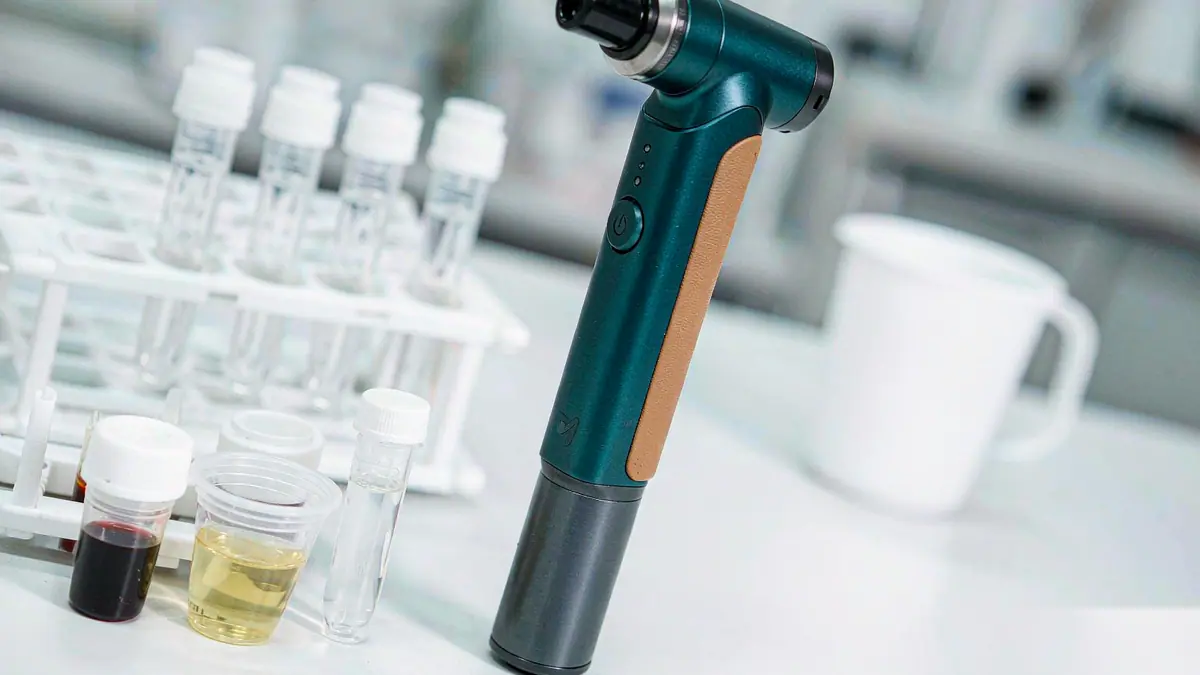
Sample type changes the concentration reported. CDC notes that urine cotinine tends to be 3–8 times higher than serum cotinine, but this is not a reliable formula for converting an individual result.[3]
| Sample | Research use | Main consideration |
|---|---|---|
| Blood | Quantitative exposure assessment and population surveys. | Collection requires a blood sample. |
| Saliva | Noninvasive collection, including field studies. | Concentrations generally track blood levels, but saliva flow affects the result. |
| Urine | Testing where higher cotinine concentrations help detection. | Dilution, urine pH and whether the assay measures free or total cotinine affect comparisons. |
Total urinary cotinine includes free cotinine and cotinine glucuronide. It is generally about 1.5–2 times higher than free cotinine alone. Two urine reports can therefore differ because they measure different forms, not because exposure changed.[1]
How Long Cotinine Remains Detectable
Cotinine’s half-life varies from about 8 to more than 30 hours. The detection window depends on the starting concentration, clearance rate and test cutoff. Research guidance allows 6–7 days when assessing nonsmoking to reduce the chance of classifying residual cotinine as continued use. This is not a guarantee that every test will be negative by day seven.[1]
Worked example, not patient data: Starting at 160 ng/mL, a person with a 16-hour half-life and no further nicotine intake would reach about 80 ng/mL after 16 hours, 40 after 32 hours and 20 after 48 hours. A test using a 25 ng/mL cutoff would classify that final result differently from one using 10 ng/mL.
Vaping and Nicotine Medication
Nicotine-containing vapes, pouches, patches and gum can all produce cotinine. A person who has stopped smoking but still uses a nicotine patch may remain positive without having resumed smoking. Regular vaping and cigarette smoking can also produce overlapping cotinine concentrations.[1]
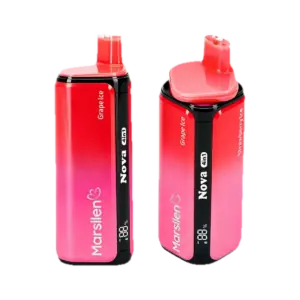
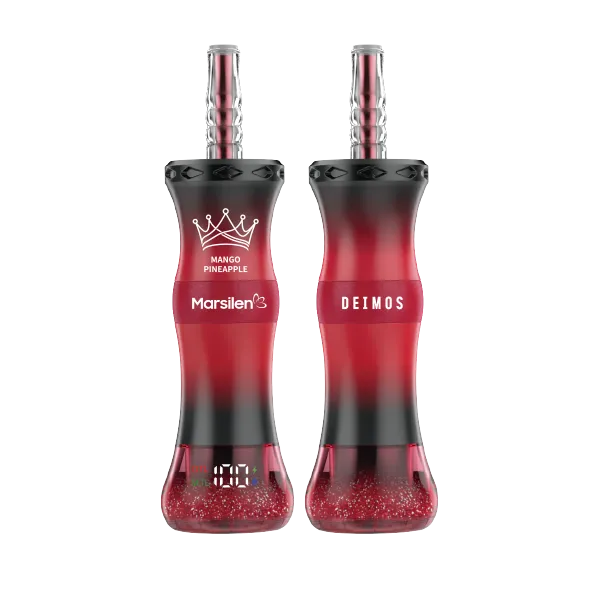
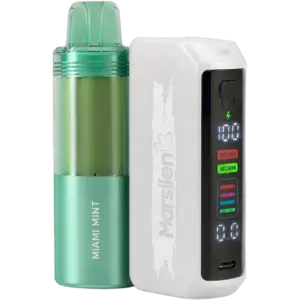
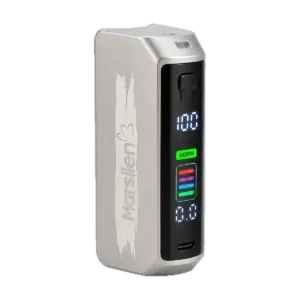
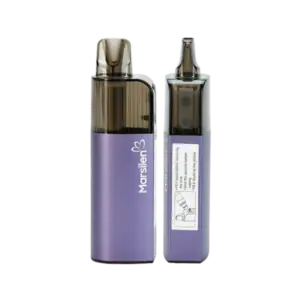
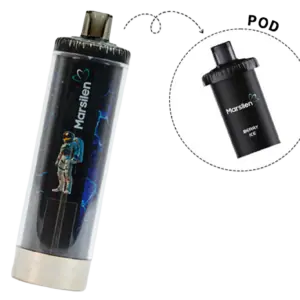
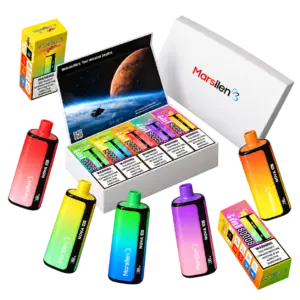
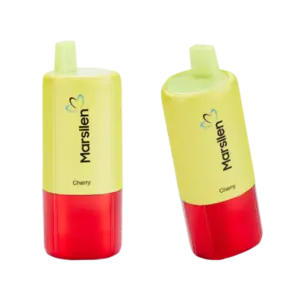
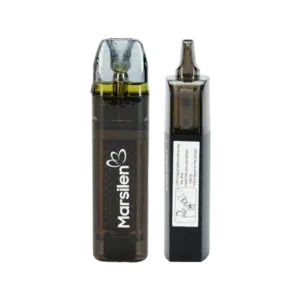
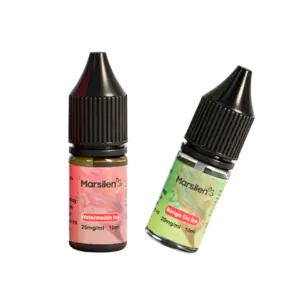
For a vaping-use record, note the exact device, the nicotine strength printed on the packaging, approximate daily liquid use and the time of last use. For example, record NOVA 4in1, Deimos, Phobos Pro or Phobos Pro+ by model name rather than simply writing “vape.” None of these product specifications provides a validated conversion to a blood cotinine level.
If the packaging says Phobos Pro Kit, record the liquid or pod details as well. An accessory name such as Phobos Pro/Pro+ Battery does not identify the nicotine formulation used.
When Other Tests Help
Researchers may combine cotinine with other markers when they need evidence about the exposure source. Each marker has limits.[1]
| Marker | What it adds | Limitation |
|---|---|---|
| Exhaled carbon monoxide | Evidence of recent exposure to combustion. | Environmental sources and other smoked products can affect results; it has a shorter detection window than cotinine. |
| Urinary anabasine | Can help assess tobacco use during pharmaceutical nicotine treatment. | Some e-liquids contain anabasine. A result cannot independently prove smoking or medication use. |
| Urinary NNAL | Evidence of exposure to the tobacco-specific carcinogen NNK. | It can reflect secondhand smoke and persist long after smoking stops; it is not a simple cigarette-versus-vape test. |
| Total nicotine equivalents | A broader measure of nicotine intake based on nicotine and several urinary metabolites. | It requires more extensive testing and still does not identify the nicotine source. |
Total nicotine equivalents are less affected by differences in nicotine metabolism than cotinine alone. They can be more useful when a study needs to estimate daily intake across different people. Cotinine remains useful for tracking changes within the same person.[1]
Before Comparing Results
Check the sample type, units, assay method, free-versus-total measurement and collection time. Record nicotine medication, vaping and secondhand exposure. Urine creatinine adjustment can help account for dilution, but ng/mL and creatinine-adjusted results are not interchangeable.
A rise from 2 to 200 ng/mL is a 100-fold increase in cotinine concentration—not proof of a 100-fold increase in nicotine intake or cancer risk. For an individual result, use the laboratory’s interpretation and discuss unexpected findings with the clinician or research team rather than applying a cutoff from another study.
Editorial disclosure: This article appears on a vape retailer’s website. Product links identify device records only; the cited studies do not establish cotinine concentrations, safety or health outcomes for those models.