











Added to Cart
How Nicotine Triggers Dopamine Release
Nicotine binds to nicotinic acetylcholine receptors, which normally respond to the brain’s own chemical messenger, acetylcholine. Receptors containing α4 and β2 subunits play an important role in nicotine dependence. Nicotine acts on dopamine-producing cells in the ventral tegmental area, or VTA, and on the signals reaching those cells. This increases dopamine release in areas including the nucleus accumbens.[1]
Dopamine does more than produce a pleasant feeling. It helps the brain learn which actions are worth repeating. Taking a puff, feeling its effects and then reaching for the device again can become a learned pattern.
Cigarettes deliver nicotine to the brain within seconds. An average smoker absorbs about 1–2 mg per cigarette. NIDA illustrates the repetition involved with a pack-a-day example: 20 cigarettes, at roughly 10 puffs each, create about 200 nicotine deliveries a day. That is an example of cigarette use, not a standard exposure level for everyone who smokes or vapes.[2]
How Nicotine Differs From Everyday Rewards
Food, social contact and enjoyable activities also involve reward-related brain circuits. They do not activate those circuits a fixed number of times a day. There is no reliable general rule that a meal raises dopamine by one percentage while nicotine raises it by another.
| Feature | Everyday rewards | Nicotine use |
|---|---|---|
| What starts the response | Experiences such as eating, social contact or completing a task | A drug binding to receptors and changing nerve-cell signalling |
| What the brain learns | Which activities and situations are rewarding | Connections between nicotine, its effects and the setting in which it is used |
| What repeated use can add | Habits and expectations | Tolerance, physical dependence and withdrawal when nicotine is stopped |
Why Repeated Use Can Lead to Dependence
Receptors Adapt
Repeated nicotine exposure can make some receptors less responsive for a time, a process called desensitisation. Long-term use can also increase the availability of certain nicotinic receptors. These changes contribute to tolerance and dependence, but they do not mean that everyone’s receptor count doubles or that everyone progresses to the same daily dose.[1]
Relief Becomes Part of the Reward
After dependence develops, a cigarette or vape may relieve irritability, poor concentration or discomfort caused by going without nicotine. That relief can feel like stress reduction. It also strengthens the habit of using nicotine whenever discomfort appears. Pleasure and withdrawal relief can both maintain use.[1]
Daily Routines Become Triggers
Coffee, a work break, driving or finishing a meal can become linked to nicotine through repeated pairing. Later, the situation itself may bring on an urge, even when the person has decided to stop. There is no fixed number of weeks in which everyone develops these associations.[1]
What Vape Specifications Can Tell You
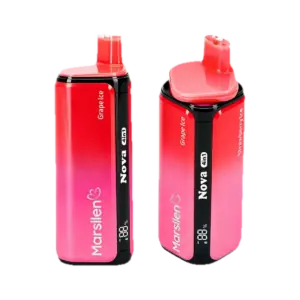
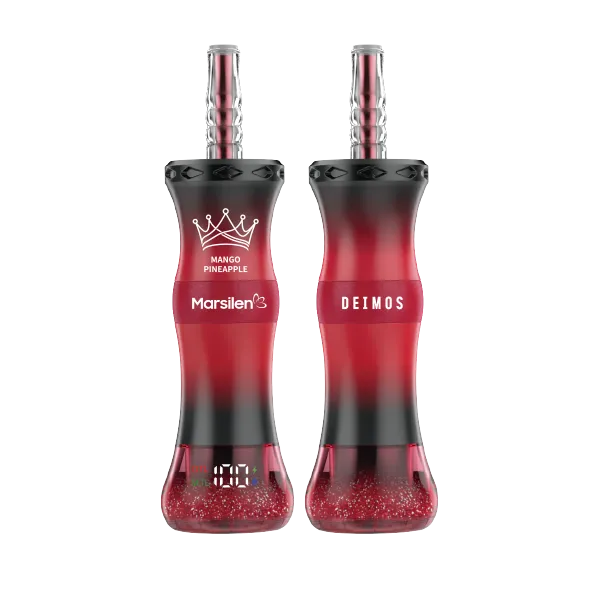
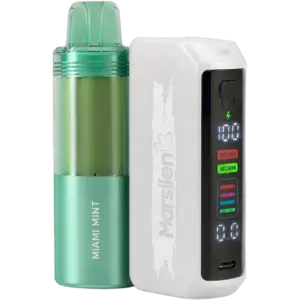
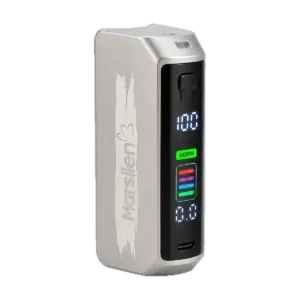
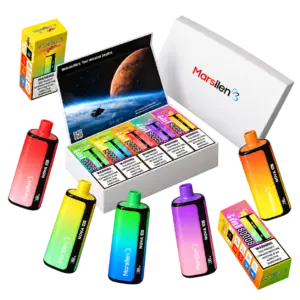
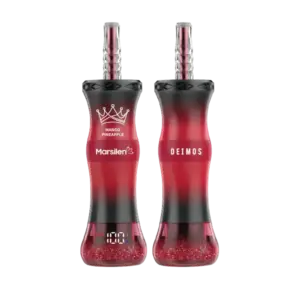
Product specifications describe the device and liquid, not the user’s brain response. The four flavour positions on the NOVA 4in1 and the DTL/MTL settings on Deimos describe different features. Neither establishes how much nicotine a person absorbs or how dependent they are.
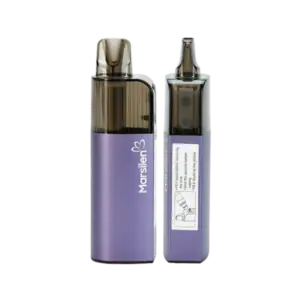
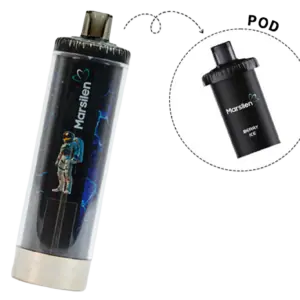
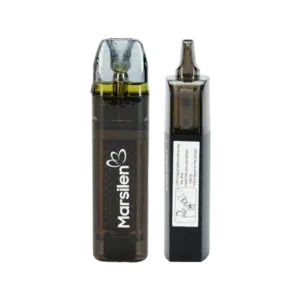
The visible chambers on Phobos Pro and Phobos Pro+ show remaining liquid, not a measured nicotine dose. A product name such as Phobos Pro Kit or an accessory such as the Phobos Pro/Pro+ Battery does not provide that measurement either. Battery capacity, liquid volume and advertised puff counts should not be treated as dependence scores.
These links identify products discussed on the retailer’s website. They are not clinical evidence, endorsements or recommendations for treating nicotine dependence.
What Happens After Stopping
Nicotine withdrawal can include irritability, anxiety, low mood, trouble concentrating, increased appetite, insomnia and restlessness. Cravings are also common. Symptoms and their severity vary; they cannot be predicted from a device’s puff rating.[3]
| Time after stopping regular nicotine use | Typical pattern |
|---|---|
| About 4–24 hours | Withdrawal symptoms may begin. |
| Around day 3 | Symptoms often reach their peak. |
| The following 3–4 weeks | Acute withdrawal generally eases, although some symptoms can last longer. |
| After acute withdrawal improves | Situations associated with nicotine can still trigger urges. This is not proof that recovery has failed. |
The withdrawal timeline comes from a research review, not a promise of a complete brain “reset” by a particular date. Receptor changes, mood, sleep and learned triggers do not necessarily recover on the same schedule.[3]
A Practical Way to Identify Triggers
For three days, record the time of each urge, what happened just before it, its intensity on a 0–10 scale and what you did next. The scale is a personal tracking tool, not a medical test. It can help you describe your pattern to a clinician without guessing.
Illustrative example: “After lunch, I wanted to vape as soon as I picked up my coffee. I rated the urge 7 out of 10. I left the usual break area and walked for five minutes before rating it again.” This entry records a trigger and a response; it does not claim that walking reduces everyone’s cravings by a fixed percentage.
If one situation keeps appearing, plan a specific change: take your break somewhere else, put the device out of sight or ask a colleague not to offer nicotine. If you use nicotine after a quit attempt, note the trigger and return to your plan. One lapse cannot be translated into a fixed number of “lost recovery days.”
Why Nicotine Replacement Is Different
Nicotine patches, gum and lozenges contain nicotine, but FDA-approved nicotine replacement therapies are designed to help adults stop smoking. They reduce withdrawal without the toxic chemicals in cigarette smoke. A patch delivers nicotine more gradually than a cigarette, so delivery speed matters as well as the substance itself.[4]
The FDA reports that properly used nicotine replacement therapy can double the chances of successfully quitting cigarettes. That finding does not mean every treatment doubles success within the first month, and it should not be applied automatically to quitting vaping. A clinician or pharmacist can help choose an appropriate treatment.[4]
Young people and people who are pregnant or breastfeeding should seek tailored medical advice about stopping nicotine. Seek urgent help for chest pain, severe breathing difficulty or thoughts of self-harm. Persistent low mood, severe sleep problems or symptoms that disrupt daily life also warrant medical attention.
Evidence and Editorial Transparency
This article explains published evidence; it does not report an original experiment, product test or personal quit attempt. Product descriptions are separate from the medical sources below. No clinician review or first-hand author experience is claimed.
- Benowitz NL. Pharmacology of Nicotine: Addiction, Smoking-Induced Disease, and Therapeutics. Annual Review of Pharmacology and Toxicology. 2009.
- National Institute on Drug Abuse. How does tobacco deliver its effects? 2020.
- McLaughlin I, Dani JA, De Biasi M. Nicotine Withdrawal. Current Topics in Behavioral Neurosciences. 2015.
- U.S. Food and Drug Administration. Nicotine Is Why Tobacco Products Are Addictive.