












Added to Cart
How Nicotine Dependence Develops
Nicotine affects brain circuits involved in reward, learning and self-control. Repeated use changes how those circuits respond. Over time, using nicotine may feel less like getting a lift and more like getting back to normal. Irritability or poor concentration between uses can be withdrawal, not proof that nicotine helps you manage everyday stress.[1]
Some people develop tolerance and need more nicotine for the same effect. Others keep using a similar amount but struggle to stop. A stable daily amount does not rule out dependence.
Habit vs Dependence
| What you notice | Habit component | Dependence component |
|---|---|---|
| What starts the urge | A familiar cue, such as coffee, driving or finishing a meal | Nicotine withdrawal as well as familiar cues |
| What happens when you skip it | You miss the routine or reach for the product automatically | You may feel irritable, restless, hungry or unable to concentrate |
| Control over use | Changing the routine may reduce automatic use | You repeatedly use more than intended or struggle to stay stopped |
| What helps | Changing cues, surroundings and daily routines | Managing withdrawal alongside behavioral support |
These are overlapping patterns, not separate boxes. Being able to wait through a meeting—or go a day without smoking—does not prove that you are free from dependence.
Signs Worth Taking Seriously
Look at what happens when you try to change your use, rather than counting cigarettes alone:
- You set a limit but regularly exceed it.
- You want to stop, but cravings or discomfort repeatedly bring you back.
- You feel irritable, restless or distracted after cutting down.
- You continue using despite health problems that it causes or makes worse.
- You need more nicotine to get an effect you previously got from less.
These are reasons to discuss your use with a healthcare professional, not a self-diagnosis checklist. There is no reliable “30-minute waiting test” or fixed percentage increase that separates a habit from dependence.[2]
What Withdrawal Can Feel Like
Common symptoms include cravings, irritability, anxiety, low mood, poor concentration, sleep problems and increased appetite. Symptoms can begin within hours of the last cigarette. They are usually strongest during the first week, often peaking within the first 3 days, then easing over the first month. Some people experience symptoms for longer.[3]
A craving after a meal can still appear months after quitting, even when the early withdrawal symptoms have passed. That does not mean your body is back at the start; the meal may be bringing up an old association.[3]
Does This Apply to Vaping?
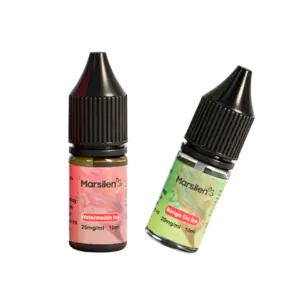
Yes. Nicotine-containing vapes can cause dependence and withdrawal. Changing flavors or switching devices does not, by itself, show that nicotine intake has fallen. People who do not use tobacco should not start vaping.[2]
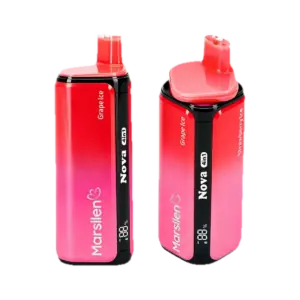
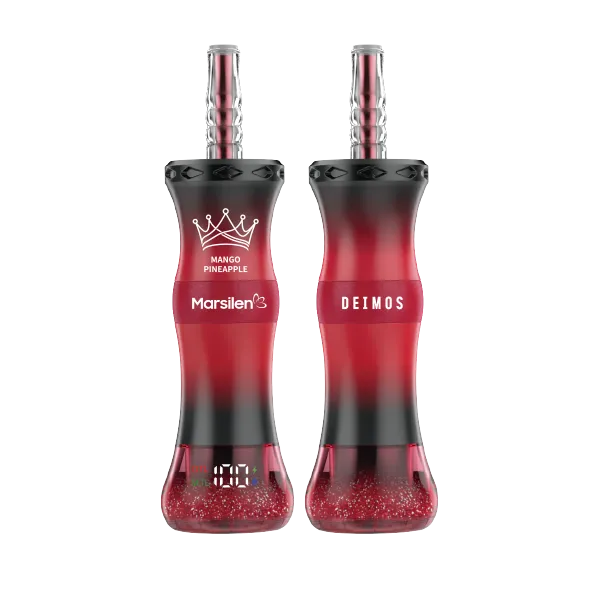
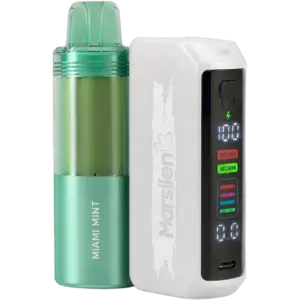
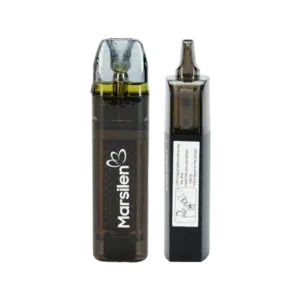
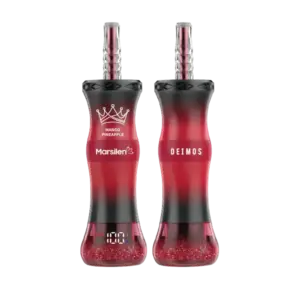
When recording vape use, note the exact product and the nicotine strength on its packaging. A multi-flavor device such as NOVA 4in1 and a single-flavor device such as Deimos offer different formats, but flavor count is not a measure of dependence.
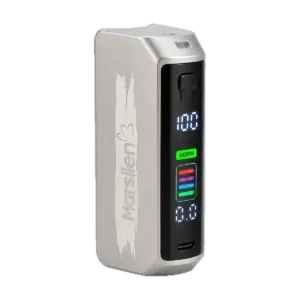
Keep liquid capacity separate from nicotine strength, too. The published capacities of Phobos Pro and Phobos Pro+ are 15 mL and 18 mL, respectively. Those figures describe the liquid held, not the amount of nicotine absorbed. Likewise, a kit or a separate Phobos Pro/Pro+ battery tells you about the package or hardware—not your nicotine dose.
Put Your Own Pattern on Paper
For 7 days, record four details: when you use nicotine, what happened just before, how strong the urge felt from 0 to 10, and any symptoms between uses. This is a practical observation exercise, not a validated diagnostic test. You do not need to delay seeking help to finish it.
Illustrative entry: “12:45 p.m., after lunch, urge 7/10. Reached for the vape automatically. Also felt restless after several hours without nicotine.”
That entry identifies two things to address: the after-lunch routine and possible withdrawal. Take your notes to an appointment so you can describe specific situations rather than trying to remember a typical day.
What Helps You Stop
Change the Cue
If you usually smoke after lunch, leave the table and take a short walk. If driving triggers the urge, remove cigarettes and smoking reminders from the car. During a craving, try water, sugar-free gum or 10 slow breaths. These actions address the routine; they do not replace treatment for troublesome withdrawal.[3]
Get Help With Withdrawal
For adults quitting cigarettes, options include nicotine replacement therapy, such as patches, gum or lozenges, and prescription medicines such as varenicline or bupropion. A clinician or pharmacist can help you choose an appropriate option. If you vape, use other tobacco products, are pregnant or breastfeeding, or are under 18, discuss treatment with a healthcare professional rather than copying a cigarette-quitting regimen.[4]
You do not have to fail a set number of times before asking for support. In the United States, call 1-800-QUIT-NOW for free quit-smoking coaching. Elsewhere, ask a local healthcare service about cessation support. Seek prompt medical help if low mood becomes severe; thoughts of self-harm require immediate help.[5]