










Added to Cart
This article is for adults who already use vaping products. Nicotine is addictive, and e-cigarette aerosol can contain harmful substances. A pleasant taste does not establish safety. Non-smokers, young people and pregnant women should not use e-cigarettes.[1]
What Changes the Flavor
Coil Design and Condition
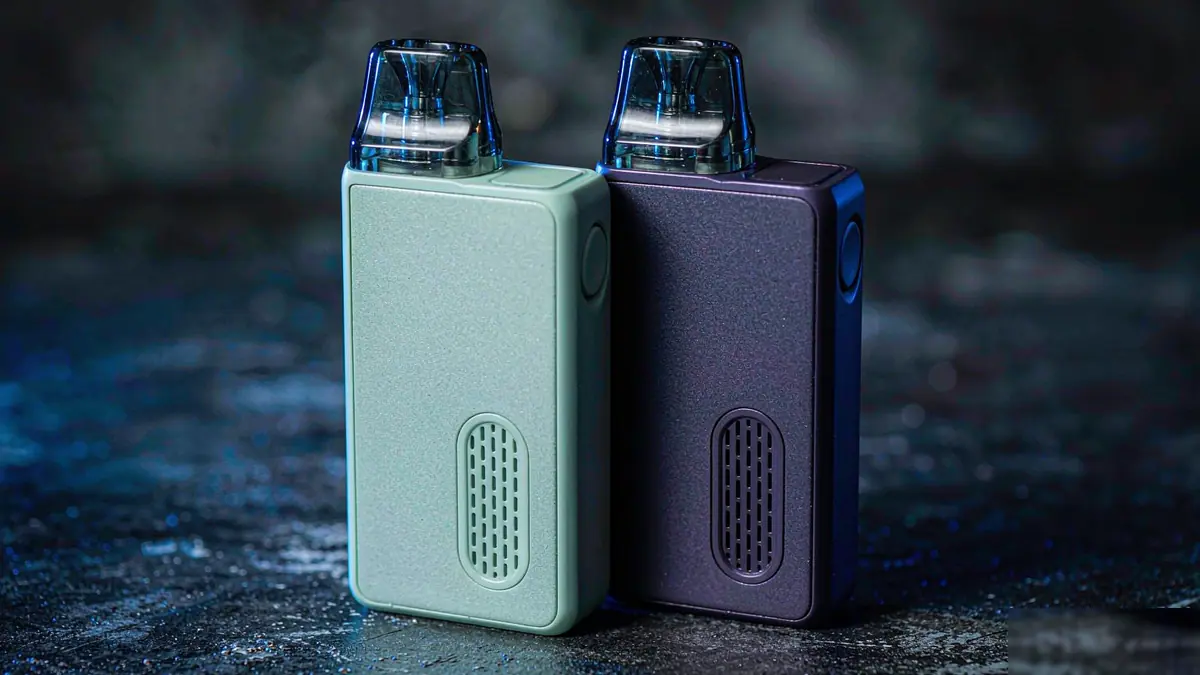
Two coils with the same resistance can have different heating surfaces, wick materials and liquid channels. A 0.8 Ω label tells you the electrical resistance—not the coil’s temperature, flavor strength or suitable wattage by itself.
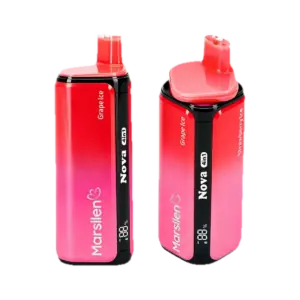
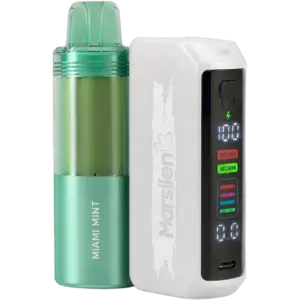
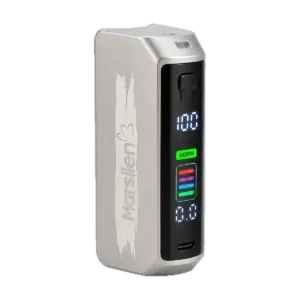
For example, the NOVA 4in1 lists a 1.0 Ω mesh coil, while the Phobos Pro+ lists a dual-mesh design. These are different heating arrangements. The specifications do not establish which tastes stronger or how much longer either will last.
Coil condition matters too. Residue and poor liquid supply can change the taste as a coil is used. A persistent burnt note calls for inspection, not extra power. There is no reliable replacement rule that covers every coil after a fixed number of days or milliliters.
Power and Liquid Supply
The coil needs enough liquid to keep up with heating. A higher power setting can change aerosol output and warmth, but it can also overheat a poorly supplied wick. Use the range specified for the installed coil, not the maximum output printed on the device.
A 2020 study by European Commission Joint Research Centre researchers tested two devices with four coil configurations. In one tested configuration, operating 5 W above the recommended upper limit produced about 20 times the measured carbonyl emissions. That result is specific to the test setup; it is not a universal “5 W” threshold. It does show why exceeding a coil’s stated range is not a sensible way to recover flavor.[2]
Airflow and Draw
Airflow changes both cooling and the mix of air and aerosol reaching your mouth. A tighter setting may feel warmer and more concentrated. Opening the airflow may feel cooler or less concentrated, but the result also depends on power and how you draw.
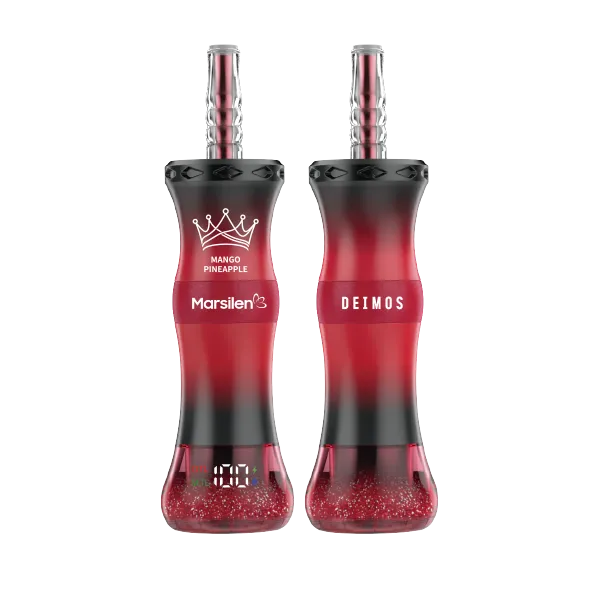
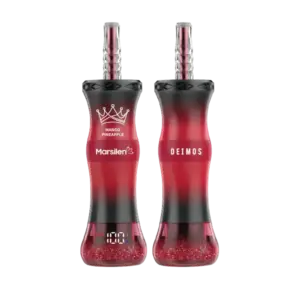
The Phobos Pro lists adjustable airflow, while Deimos lists DTL and MTL operation. When comparing a device with these controls, record the airflow or mode setting. Otherwise, a change in draw can be mistaken for a change in the liquid.
E-Liquid Compatibility
Check the ratio in the order printed on the bottle. VG/PG 70/30 means 70% vegetable glycerin and 30% propylene glycol. It is not the same as PG/VG 70/30. Higher-VG liquids are generally thicker, but whether they feed properly depends on the device’s liquid channels and wick—not resistance alone.
Nicotine form and carrier ratio are separate details. A nicotine-salt liquid can also be high in VG. “Salt” does not automatically mean one device type, and “freebase” does not automatically mean another. Check nicotine strength in mg/mL and follow the device manufacturer’s compatibility instructions.
Same Flavor Name, Different Formula
“Watermelon Ice” on two prefilled devices does not confirm that they contain the same recipe. Sweeteners, cooling agents, nicotine strength and carrier ratios may differ. Unless the manufacturer confirms an identical formula, you are comparing the liquid and hardware together.
This distinction matters when comparing the Phobos Pro Kit with another product carrying a similar flavor name. Match the exact model, flavor option and labeled strength before blaming the device. Do not assume a kit name confirms its contents or compatibility.
How to Compare Two Devices
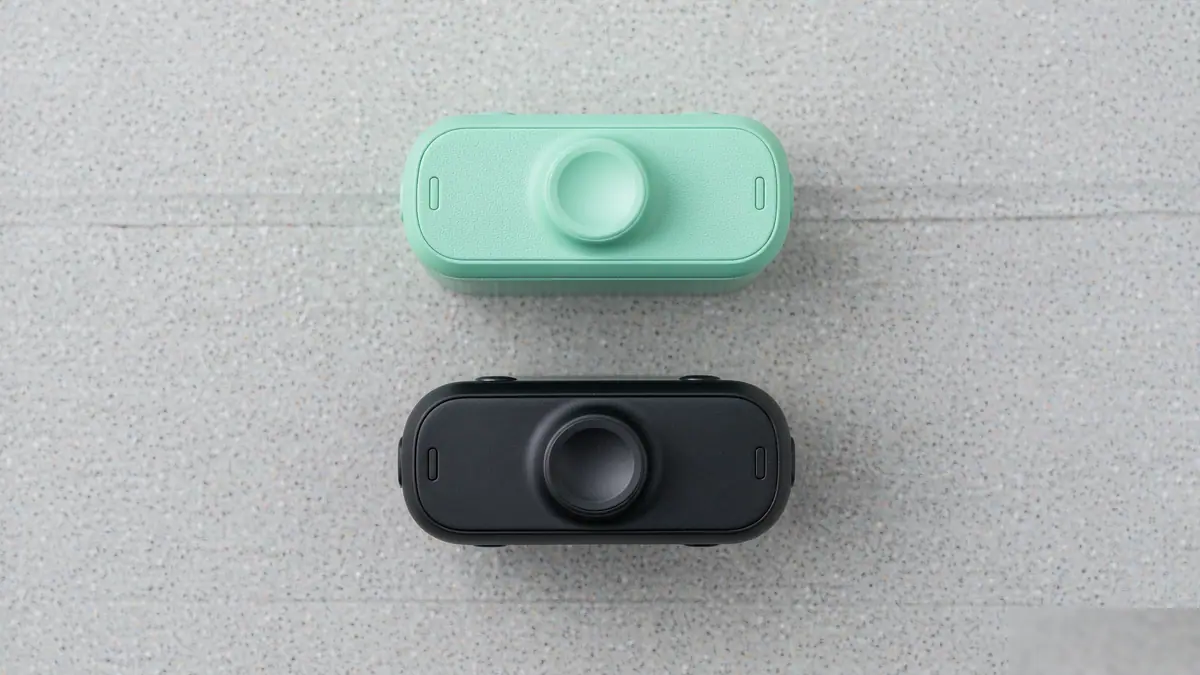
For refillable devices, use the same bottle only if its liquid and nicotine strength are suitable for both. Do not open, refill or transfer liquid from a sealed product to create a comparison. Change one setting at a time and keep a short record rather than relying on memory.
| Record | Details to Keep | Why It Matters |
|---|---|---|
| Liquid | Exact product, batch, VG/PG ratio and nicotine strength in mg/mL | A shared flavor name does not confirm a shared formula. |
| Coil or pod | Model, resistance and whether it is new or already used | Different coil designs and wear can change the result. |
| Settings | Actual wattage, operating mode and airflow position | Matching wattage alone does not match the whole setup. |
| Device condition | Liquid level, charge status, visible leaks and mouthpiece residue | A supply or maintenance issue can resemble a flavor difference. |
| Observation | Sweetness, cooling, warmth, bitterness and any irritation | “Different” is less useful than a specific description. |
Illustrative example—not a test result: if a coil is labeled 15–25 W, a comparison at 15 W and 17 W stays within that coil’s range. Keep its airflow unchanged while checking the effect of power. Do not transfer those settings to a different coil that requires another range, and stop if a burnt taste or discomfort appears.
On fixed-output devices, skip wattage adjustment. Check the permitted airflow controls, liquid level and charging instructions instead. For accessories such as the Phobos Pro/Pro+ Battery, confirm compatibility before use. An external power accessory does not repair a damaged internal battery.
When a Taste Change Needs Attention
| What You Notice | What to Do |
|---|---|
| A flavor is sweeter, lighter, warmer or cooler after changing devices | Compare the formula, coil and settings. Taste alone cannot establish product quality or safety. |
| A persistent burnt, scorched-cotton or unusual chemical taste | Stop using it. Check liquid supply and the approved settings. Replace a user-replaceable coil or contact support for a sealed device. |
| Unexpected particles, separation, leakage or an unusual odor | Set the product aside and contact the manufacturer. Do not keep using it to see whether the taste clears. |
| Dizziness, nausea, shaking or palpitations | Stop using the product and seek medical advice promptly. Severe symptoms, chest pain or breathing difficulty require urgent medical help. |
| A swollen battery, damaged casing or unusual device heat | Stop using and charging it. Do not try to solve a hardware fault by changing airflow or power. |
Common Questions
Why Does a New Coil Taste Different?
A new coil removes the old coil’s residue and wear from the comparison. It may also have a different design despite fitting the same device. Prepare it exactly as instructed, including any required saturation time. Do not dry-fire a cotton-wicked coil or assume every product needs the same waiting period.
Can Low Battery Change the Taste?
It can on devices whose output falls as the battery discharges. Regulated devices may maintain their set output until they reach an operating limit or cut off. Follow the charging instructions rather than using a universal battery-percentage rule. Persistent fading after charging needs further inspection.
What if Food and Drinks Taste Different Too?
Do not assume the vape is responsible for every flavor change. Smell contributes strongly to flavor, and congestion, illness, medicines and dental problems can affect perception. The U.S. National Institute on Deafness and Other Communication Disorders notes that many people who report lost taste actually have a smell problem. Seek medical advice for persistent or unexplained changes rather than increasing nicotine or power.[3]
Evidence and Limits
This guide uses published product specifications, peer-reviewed research and public-health information. Product examples describe listed features; they are not hands-on flavor tests or evidence that one model performs better. No customer interviews, laboratory measurements or first-hand comparison results are claimed. The comparison record above is a troubleshooting tool, not a safety test.