










Added to Cart
For a general flavor guide, place lime and lemon at the tart end, grapefruit in the middle with a bitter edge, and orange at the sweeter end. Lime often suggests sharp, green peel notes; lemon suggests a more familiar lemonade-style tang. A sweetened lime blend can still taste less tart than a sour orange formula.
This is a comparison of flavor profiles, not a hands-on product test or laboratory ranking. No measured tartness scores, tasting-panel averages, or personal testing claims are used.
Citrus Flavor Comparison
| Flavor | Tartness expectation | Main distinction |
|---|---|---|
| Lime | Tart-leaning | Green peel notes and a sharp citrus character |
| Lemon | Tart-leaning | Lemonade, lemon candy, or fresh-peel character |
| Grapefruit | Sweet-tart to tart | Bitterness that can be mistaken for extra sourness |
| Orange | Usually sweeter-leaning | Juice, soda, or marmalade-style notes |
Lime
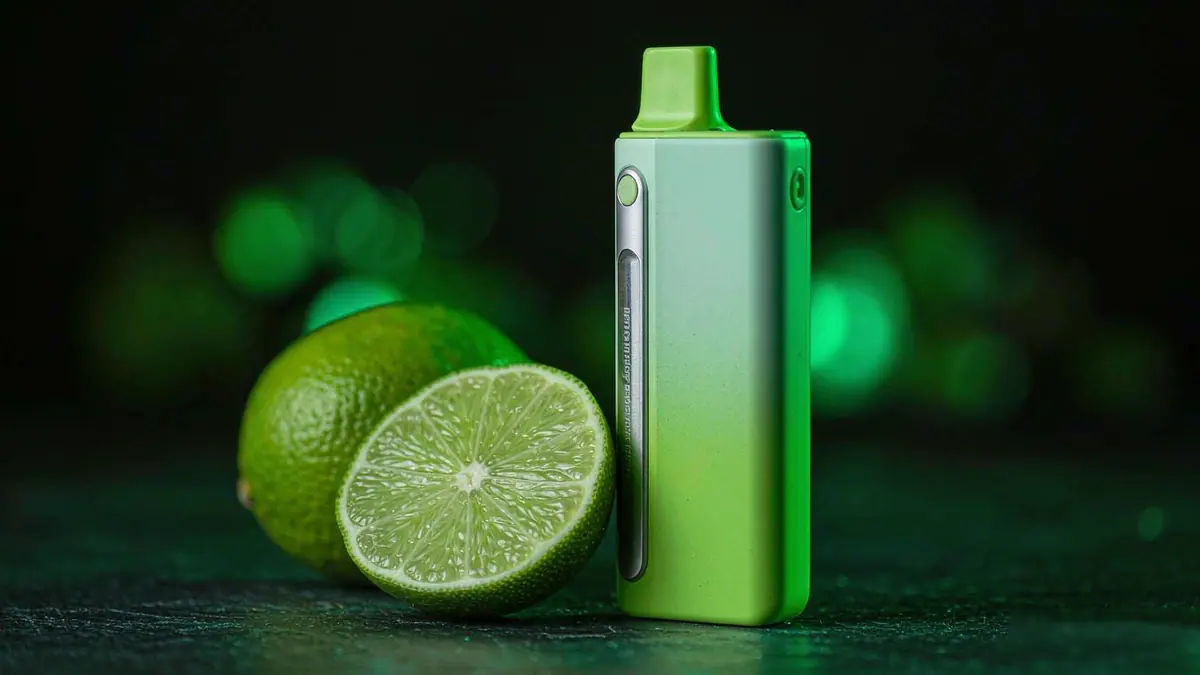
Lime is the sharper reference point in this comparison. Its green, peel-like character differs from the rounded sweetness associated with orange. But “lime” covers several styles: lime soda, lime candy, and lime with mint do not promise the same balance.
For a tart profile, look for descriptions that mention sour citrus or peel rather than relying on the fruit name alone. “Ice” describes a cooling style; it does not establish how sour the formula is.
Lemon
Lemon can lean toward dry citrus peel, sweet lemonade, or lemon drops. Those differences matter more than a narrow ranking between lemon and lime.
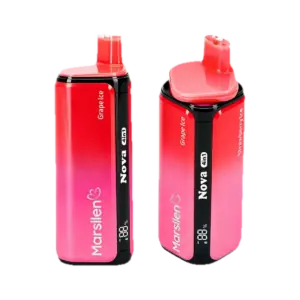
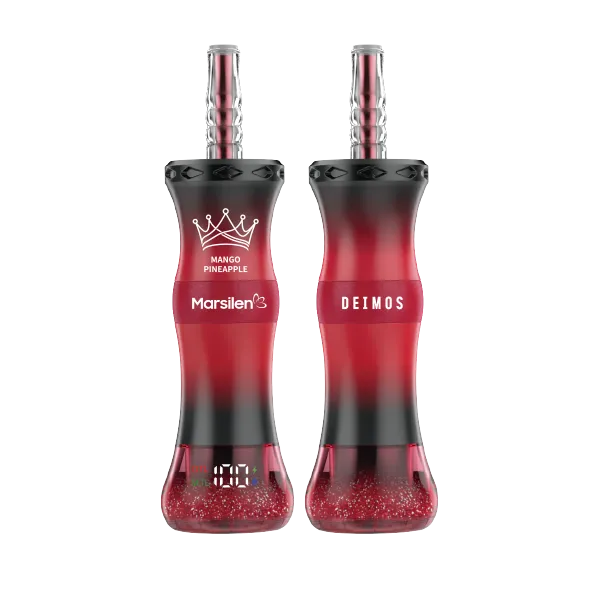
The distinction is visible in actual product names. Deimos lists Lemon Mint, while a listed NOVA 4in1 combination includes Ice Tea Lemon. Mint and tea introduce different flavor elements, so neither name establishes the tartness of a plain lemon blend. NOVA’s four selectable flavor positions also do not mean every combination contains four citrus flavors.
Grapefruit
Grapefruit adds a bitter-peel character to the sweet-tart balance. That can make it seem more intense than lemon without making it more sour. Descriptions such as “pink grapefruit,” “grapefruit soda,” and “grapefruit peel” point to different styles, not fixed sweetness levels.
Keep bitterness separate when comparing it with the other three flavors. Sour and bitter are distinct taste qualities; mint-like cooling is a separate chemical sensation. NIDCD explains that taste, aroma, and these other sensations combine to create flavor.[1]
Orange
Orange sits at the sweeter end of this guide, particularly in juice- and soda-style descriptions. Peel-led orange can add bitterness, while a sour-candy formula can reverse the expected sweet profile.
A useful product description should distinguish sweet orange, orange peel, orange soda, and sour orange. “Orange flavor” alone gives too little detail to judge tartness.
Compare the Formula, Not Just the Fruit
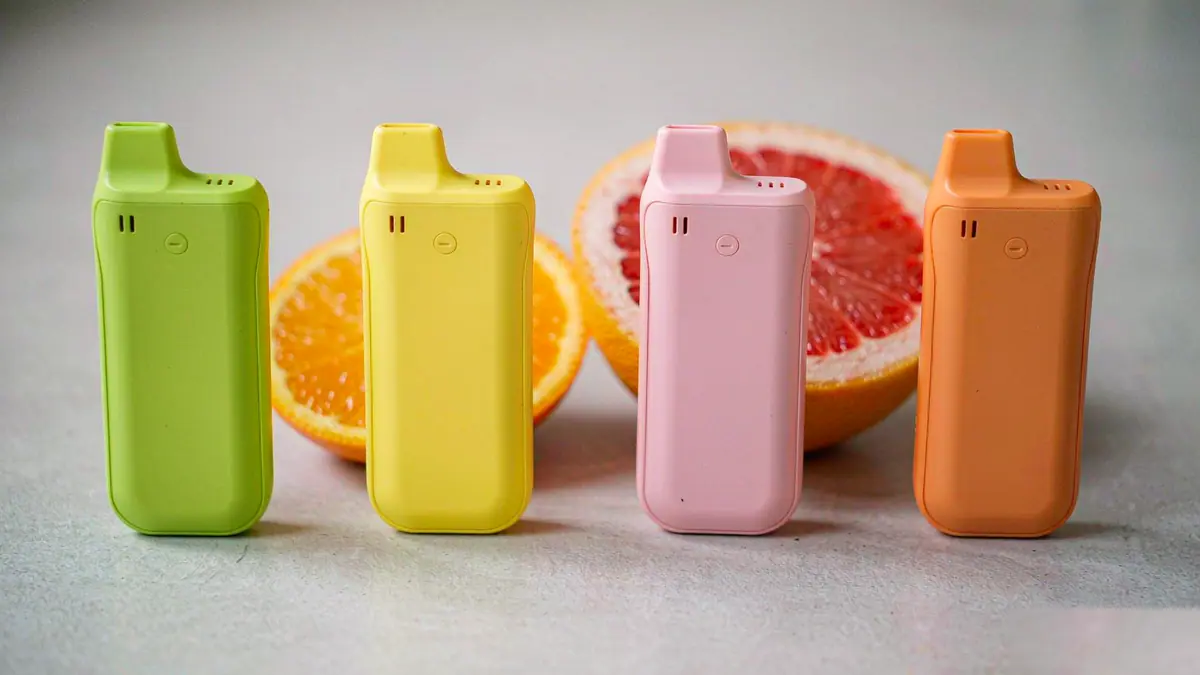
Check three details together: the full flavor name, the cooling description, and the nicotine strength in mg/mL. Comparing Lemon Mint with sweet orange soda changes more than the fruit. Comparing two nicotine strengths also introduces another variable.
Hardware details need the same care. Phobos Pro lists adjustable airflow, while Phobos Pro+ lists a dual-mesh coil. Neither specification proves that one device makes citrus more tart. There is no universal “lemon wattage” or “grapefruit wattage”; follow the instructions for the exact device and coil.
Package names are not flavor evidence either. The Phobos Pro Kit and the separate Phobos Pro/Pro+ Battery listings should be checked for their stated contents and compatibility. A kit or battery listing does not establish an extra citrus flavor or a different tartness level.
Reading Reviews
A useful first-hand review names the exact flavor, device, nicotine strength, and settings where adjustable. It describes sweetness, sourness, bitterness, and cooling separately. Without those details, “very sour” may mean sharp citrus aroma, strong cooling, or throat irritation.
A burnt or newly harsh taste should not be counted as extra citrus tartness. Stop using a device that tastes burnt and consult its instructions or the device troubleshooting guidance. Do not keep taking puffs to confirm a flavor score.
Health and Safety
A sweeter or smoother flavor is not evidence of lower risk. CDC states that no tobacco products, including e-cigarettes, are safe; most e-cigarettes contain highly addictive nicotine, and their aerosol can contain harmful substances. Youth, young adults, and pregnant women should not use e-cigarettes.[2]
If vaping causes dizziness, nausea, palpitations, or persistent coughing, stop using it and seek medical advice. Seek urgent care for chest pain or difficulty breathing.