













Added to Cart
Nicotine mainly drives dependence and can raise heart rate and blood pressure. Burning tobacco exposes users to carbon monoxide, fine particles and cancer-causing chemicals that account for much of smoking’s risk of cancer, chronic obstructive pulmonary disease (COPD) and cardiovascular disease. Removing combustion reduces some exposures, but it does not make a nicotine product harmless.[1]
Nicotine vs. Tobacco Smoke
| Health concern | Nicotine | Tobacco smoke |
|---|---|---|
| Dependence | Causes cravings, tolerance and withdrawal. | Delivers nicotine while repeatedly exposing the user to toxic chemicals. |
| Cancer | Is not the main cause of smoking-related cancer. | Contains chemicals that damage DNA and cause cancer. |
| Heart and circulation | Can temporarily increase heart rate and blood pressure. | Also damages blood vessels, promotes clotting and reduces oxygen delivery. |
| Lung disease | Does not explain the full lung damage caused by smoking. | Causes chronic airway injury and contributes to COPD and lung cancer. |
| Pregnancy and youth | Can harm fetal development and the developing adolescent brain. | Adds carbon monoxide and other toxic exposures. |
The distinction matters when comparing cigarettes with nicotine medicines. A nicotine patch does not expose the lungs to cigarette smoke. It is not equivalent to smoking simply because both deliver nicotine. FDA-approved nicotine replacement therapies have an established role in helping adults quit.[2]
Nicotine’s Main Risks
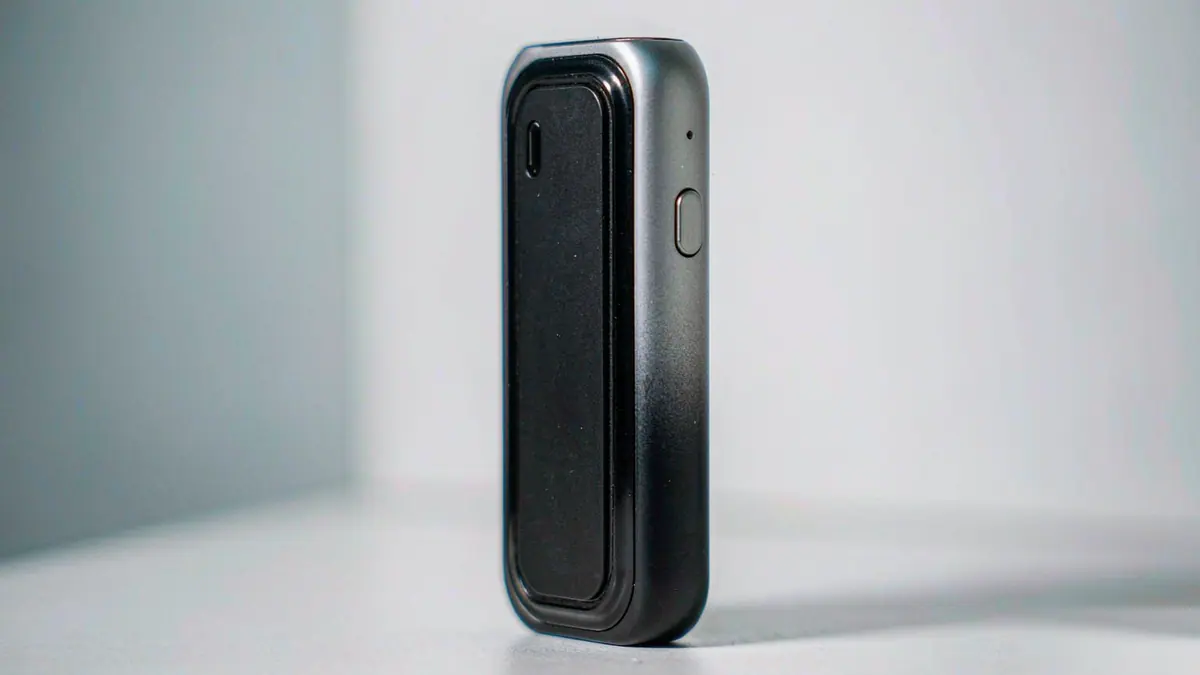
Dependence and Withdrawal
Repeated nicotine use can leave a person feeling that they need it to concentrate or feel normal. Cravings, difficulty stopping and needing more for the same effect are signs of dependence. Daily use is not required for early signs of addiction to appear.[3]
After stopping, withdrawal usually peaks during the first 3 days and eases over the first month. Irritability, poor sleep, difficulty concentrating and increased appetite are common. Some symptoms last longer; there is no fixed percentage of recovery that applies to everyone.[4]
Youth, Pregnancy and Poisoning
Brain development continues until about age 25. Nicotine exposure during adolescence can affect attention, learning, mood and impulse control. During pregnancy, nicotine can harm the developing brain and lungs of the fetus.[5]
Liquid nicotine can also cause poisoning if swallowed or absorbed through the skin or eyes. Do not estimate a child’s safety from a few drops or a calculated dose. Suspected ingestion needs immediate advice from a local poison service or emergency clinician. Store liquids and devices locked away from children.[6]
Why Burning Tobacco Causes More Harm
Cigarette smoke contains more than 7,000 chemicals. The mixture includes carbon monoxide, formaldehyde, benzene and toxic metals. Some harmful substances are already present in tobacco or form during processing; lighting a cigarette creates additional chemicals. Not every tobacco carcinogen comes from combustion.[7]
Carbon monoxide reduces the blood’s ability to carry oxygen. Smoke also injures the airways and blood vessels. These exposures help explain why smoking causes COPD, heart disease, stroke and cancers beyond the lungs, including cancers of the mouth, bladder and pancreas.[8]
A product does not need to burn to cause cancer. Chewing tobacco and snuff increase the risk of mouth, esophageal and pancreatic cancers. “Smokeless” describes how a product is used, not whether it is safe.[9]
What Changes Without Combustion?
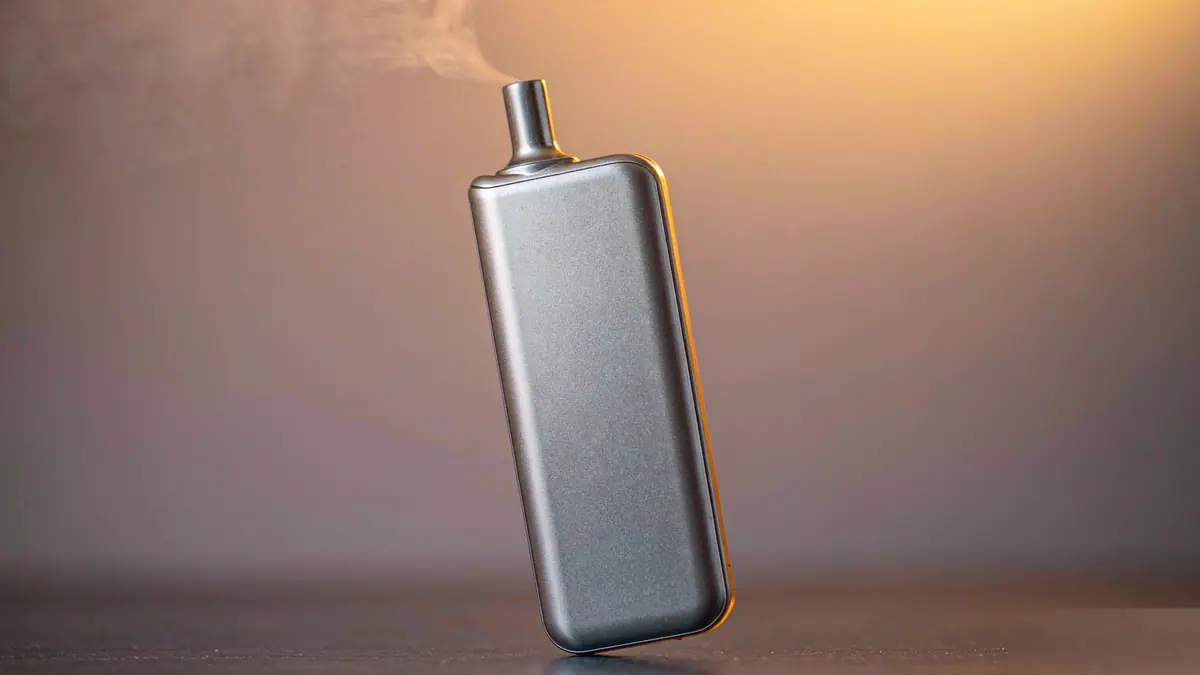
E-cigarettes heat liquid rather than burn tobacco. Their aerosol generally contains fewer harmful chemicals than cigarette smoke, but it can still contain nicotine, cancer-causing substances, metals and particles that reach deep into the lungs. The long-term health effects are not fully established.[10]
For an adult who already smokes, switching completely to e-cigarettes may reduce exposure to many harmful chemicals. Continuing to smoke while vaping is not the same as removing combustion. FDA warns that prolonged dual use can cause harms similar to, or additional to, those of smoking alone. People who do not use tobacco should not start.[11]
Product Specifications Are Not Health Evidence
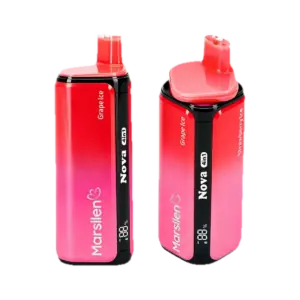
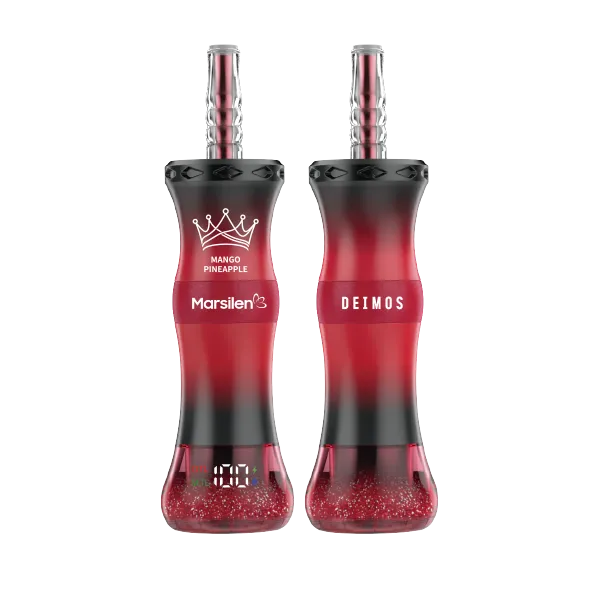
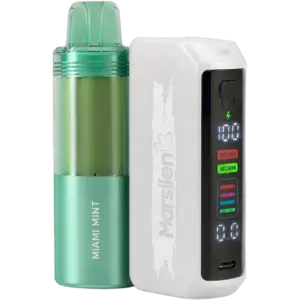
The NOVA 4in1 page describes four selectable flavor positions. The Deimos page describes a hookah-inspired electronic device with DTL and MTL modes. Neither flavor switching nor hookah-style appearance establishes a health-risk level. Deimos should not be confused with a traditional waterpipe that burns tobacco and charcoal.
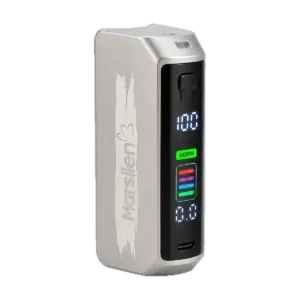
Likewise, the published 15 mL capacity for Phobos Pro and 18 mL capacity for Phobos Pro+ describe stored liquid, not the amount absorbed by a user. The Phobos Pro Kit listing and Phobos Pro/Pro+ Battery listing identify package or hardware options, not clinical safety outcomes. These page observations are not hands-on tests, emissions measurements or medical endorsements.
For a label reading 20 mg/mL, 2 mL of liquid contains 40 mg of nicotine before use. That calculation describes the liquid’s contents—not the dose entering the bloodstream and not a safe exposure limit. Puff counts and battery capacity cannot fill that gap.
Common Misunderstandings
Does Nicotine Cause Smoking-Related Cancer?
Nicotine is not the main cause. The cancer risk comes largely from other chemicals in tobacco and tobacco smoke. Nicotine sustains dependence, which can keep a person exposed to those chemicals for years. This distinction does not make nicotine harmless.[12]
Are Nicotine Patches as Harmful as Cigarettes?
No. Approved patches, gum and lozenges supply nicotine without cigarette combustion. A patch and a short-acting product can sometimes be used together as part of a quit plan. Follow the instructions or ask a clinician; combination treatment is not automatically an overdose. Consumer nicotine pouches are not interchangeable with approved cessation medicines.[13]
Does a Nicotine-Free Vape Remove Every Risk?
No. Removing nicotine does not remove all particles, metals or chemicals from an aerosol. It also does not automatically stop cravings in someone who is already nicotine-dependent.[14]
What to Do Next
If you smoke, record cigarettes per day, other nicotine products and the situations that trigger use. Bring that information to a clinician or pharmacist. Counseling and approved treatments—including nicotine replacement, varenicline or bupropion where appropriate—can help. FDA recommends evidence-based medication and behavioral counseling as first-line treatment for adults seeking to quit.[15]
The benefits do not depend on recovering every bit of lost lung function. Coronary heart disease risk falls sharply within 1–2 years of quitting, and quitting slows lung-function loss in people with COPD. The amount of recovery varies with smoking history and existing disease.[16]
For practical support, use the National Cancer Institute’s quit-plan tool or your local stop-smoking service. Chest pain, severe breathing difficulty, seizures or suspected nicotine poisoning require urgent medical help.
Evidence and Review Status
This article draws on FDA, CDC and National Cancer Institute guidance. Internal links identify manufacturer-published product details only. No personal-use experience, clinical testing or medical review is claimed.